


Siberian Huskies are one of the breeds UK husky rescues see most often, and many arrive because their first owners were not ready for the work involved. Knowing the common Siberian Husky health problems before you bring one home is the best way to keep your dog well and avoid heartbreak later.
The good news is that the Siberian Husky is a fairly hardy breed. The main concerns are inherited eye disease, hip dysplasia, epilepsy, an underactive thyroid and a zinc-related skin condition. Most of these can be screened for, spotted early or managed well with your vet.
This guide covers each health issue in plain English, then gives you a practical Siberian Husky care routine for UK homes: exercise, coat care, keeping cool in summer, diet, vaccinations and the health tests to ask about before you buy or adopt.
Key Takeaways
- The Siberian Husky’s main breed-linked health problems are inherited eye diseases, hip dysplasia, epilepsy, hypothyroidism and zinc-responsive dermatosis.
- The Royal Kennel Club recommends eye testing, including gonioscopy, for Siberian Huskies used for breeding, with hip scoring as best practice.
- A large UK study put the median life expectancy of the Siberian Husky at 11.9 years, almost the same as crossbred dogs.
- Siberian Huskies need more than two hours of exercise a day, plus mental work, or they become bored, noisy and destructive.
- A Husky’s double coat sheds heavily in spring and autumn and should be brushed several times a week, never shaved.
- Huskies overheat easily, so walks in UK summers should happen in the coolest parts of the day.
- Dental disease is the most common health problem in UK dogs overall, so daily tooth brushing matters for Huskies too.
Quick Answer
The most common Siberian Husky health problems are eye diseases (hereditary cataracts, glaucoma linked to a drainage angle defect, and progressive retinal atrophy), hip dysplasia, epilepsy, hypothyroidism and zinc-responsive dermatosis. To take care of a Siberian Husky, give over two hours of exercise daily, brush the coat several times a week, keep the dog lean and cool, and keep vaccinations, parasite control and yearly vet checks up to date.
Siberian Husky Health at a Glance
The Siberian Husky is a medium to large working breed with high exercise needs and a thick double coat. The table below sums up the key health and care facts from UK sources.
| Fact | Siberian Husky |
|---|---|
| Breed group | Working (Royal Kennel Club) |
| Height and weight | About 51 to 60 cm, 16 to 27 kg (PDSA) |
| UK median life expectancy | 11.9 years (Dogs Trust life expectancy table) |
| Exercise | More than 2 hours a day |
| Grooming | Brushing several times a week; heavy moults in spring and autumn |
| Main health concerns | Eye disease, hip dysplasia, epilepsy, hypothyroidism, zinc-responsive dermatosis |
| Recommended health tests | BVA/RKC/ISDS eye examination with gonioscopy; BVA/RKC hip scoring |
| Minimum cost to own | Around £105 a month after purchase and set-up (PDSA estimate) |
What Are the Most Common Siberian Husky Health Problems?
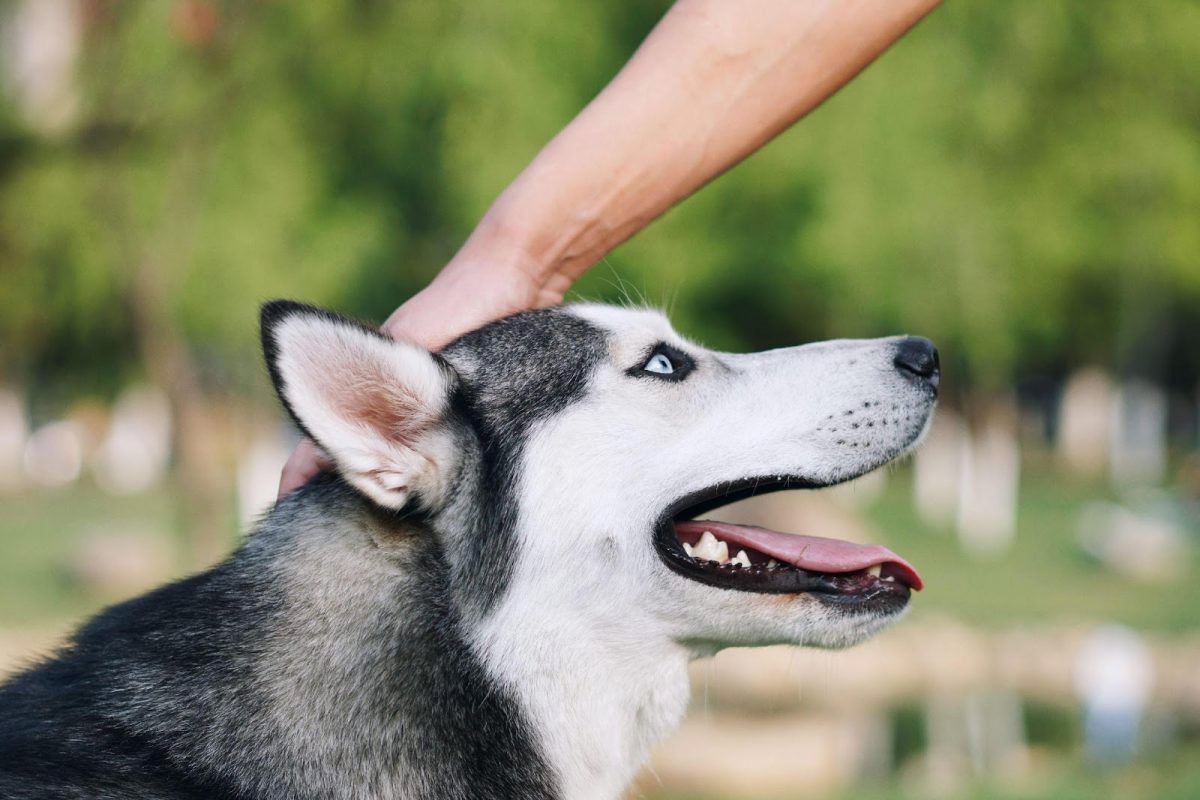
The most common Siberian Husky health problems are inherited eye conditions, followed by hip dysplasia, epilepsy, hypothyroidism and skin disease linked to zinc. The PDSA’s Siberian Husky breed guide lists hip dysplasia, epilepsy, certain cancers, cataracts and glaucoma as the conditions owners should know about.
| Condition | What it affects | Signs to watch for | Can it be screened? |
|---|---|---|---|
| Hereditary cataract | Lens of the eye | Cloudy eye, bumping into things | Yes, eye examination |
| Glaucoma (linked to pectinate ligament abnormality) | Pressure inside the eye | Red, painful, watery or bulging eye | Yes, gonioscopy |
| Progressive retinal atrophy (X-linked) | Retina | Poor night vision, then gradual blindness | Yes, DNA test |
| Hip dysplasia | Hip joints | Stiffness, limping, “bunny hopping” gait | Yes, hip scoring |
| Epilepsy | Brain | Seizures, collapse, paddling legs | No test; check family history |
| Hypothyroidism | Thyroid gland | Weight gain, tiredness, thin or dry coat | Blood test when signs appear |
| Zinc-responsive dermatosis | Skin | Crusting and hair loss around eyes, lips and ears | Diagnosed by your vet |
Eye Diseases: The Biggest Health Concern in Huskies
Eye disease is the leading inherited health concern in Siberian Huskies. The International Partnership for Dogs breed health report notes that hereditary cataracts and glaucoma-related drainage angle defects are the most common findings in Nordic eye screening of the breed.
The main eye problems in Huskies are:
- Hereditary cataract: a cloudy lens that can affect young dogs. Surgery is possible in some cases.
- Pectinate ligament abnormality and glaucoma: a fault in the eye’s drainage angle that can lead to painful, sight-threatening pressure. It is checked with a test called gonioscopy.
- X-linked progressive retinal atrophy (XL-PRA): a slow loss of the retina that ends in blindness. A DNA test is available.
- Pannus and corneal problems: inflammation or clouding of the clear front of the eye, which Pets4Homes lists among the breed’s additional health concerns.
The British Veterinary Association Eye Scheme advises gonioscopy at about 1, 4 and 7 to 8 years of age, as results can change over time. A routine eye examination under the scheme starts from about £72.
Hip Dysplasia
Hip dysplasia is an inherited condition where the hip joint forms badly, causing wear, pain and early arthritis. It is less common in Siberian Huskies than in many large breeds: Finnish screening data shows 85 to 95% of tested Huskies have normal or near-normal hips, according to the breed health report.
Signs include stiffness after rest, limping, reluctance to jump and a “bunny hopping” back-leg action. Keeping your Husky lean and avoiding hard, repetitive exercise in young puppies both help. Read more in our guide on how to prevent hip dysplasia in dogs.
Epilepsy and Seizures
Siberian Huskies can develop idiopathic epilepsy, which means repeated seizures with no other cause found. The PDSA lists epilepsy among the breed’s health problems, and the Finnish breed club has recorded 88 affected dogs, most of them closely related, which points to an inherited link.
There is no DNA test for epilepsy in Huskies. The best protection is a breeder who can tell you about seizures in the puppy’s family line. Epilepsy is usually managed with daily medication prescribed by your vet.
Hypothyroidism
Hypothyroidism means the thyroid gland does not make enough hormone, which slows the body down. A Royal Veterinary College VetCompass study of over 900,000 UK dogs found Siberian Huskies had about 2.5 times the odds of a hypothyroidism diagnosis compared with crossbred dogs.
Signs include weight gain without eating more, tiredness, feeling the cold, and a thin, dry or patchy coat. A blood test confirms it, and treatment is a daily hormone tablet. The same study found that dogs heavier than average for their breed had about twice the odds of the condition, another reason to keep your Husky slim.
Skin Problems: Zinc-Responsive Dermatosis and More
The best-known Siberian Husky skin problem is zinc-responsive dermatosis, a condition where the dog cannot absorb or use enough zinc. In a study of 41 affected dogs, the Siberian Husky was the breed most often affected, and crusting around the eyes was the most common sign.
Look for scaling, crusting, redness and hair loss around the eyes, lips, chin and ears. Most dogs improve with zinc supplements, but only give zinc under your vet’s direction, because too much zinc is harmful. Other causes of Husky skin issues include fleas, allergies and hypothyroidism, so a vet check is the only way to know which one you are dealing with.

Cancer
Cancer is a common cause of death in older Siberian Huskies, as it is in most dogs that reach their senior years. Finnish breed data lists old age, cancer and accidents as the main recorded causes of death. Check your Husky’s body for new lumps during grooming, and ask your vet to look at any lump that appears, grows or changes.
Other Conditions to Know About
Siberian Huskies can be affected by several less common conditions. Pets4Homes lists these among the breed’s wider health concerns:
- Laryngeal paralysis: the voice box does not open properly, causing noisy breathing, a changed bark and poor exercise tolerance.
- Uveodermatologic syndrome: a rare autoimmune disease that attacks pigment in the eyes and skin. The University of Minnesota dermatology handbook notes that early, aggressive treatment is needed to prevent blindness.
- Spontaneous pneumothorax: air leaking around the lungs, causing sudden breathing difficulty. This is an emergency.
Health Problems Every Dog Faces
Siberian Huskies also get the everyday problems seen in all dogs. A Royal Veterinary College study of 22,333 UK dogs found the most common problems were dental disease (12.5%), ear infections (7.3%) and obesity (7.1%).
Infectious diseases such as parvovirus, distemper and leptospirosis are serious but preventable with vaccination, and fleas, ticks and worms are common in UK dogs that spend time outdoors. Both are covered in the care guide below.
Are Siberian Huskies a Healthy Breed?
Yes, Siberian Huskies are considered a fairly healthy breed with an average lifespan for their size. Swedish insurance data summarised in the breed health report found Huskies had a slightly lower risk of needing veterinary care than the average for all breeds.
The Siberian Husky’s weak spot is inherited eye disease, which is why eye testing is the Royal Kennel Club’s main health recommendation. Many health problems in pet Huskies also come from a lifestyle that does not suit them: too little exercise, overheating and weight gain.
How Long Do Siberian Huskies Live in the UK?
Siberian Huskies in the UK live for about 12 years on average. A UK study of 584,734 dogs published with Dogs Trust put the breed’s median life expectancy at 11.9 years, against 12.0 years for crossbreeds.
Sources vary, and smaller studies give lower figures. A VetCompass life table study estimated about 9.5 years for Huskies from birth, based on a smaller sample of 153 dogs. A realistic expectation for a healthy, well-cared-for Husky is 10 to 14 years.
Health Tests to Ask For Before You Buy or Adopt
Before buying a Siberian Husky puppy, ask to see the parents’ eye and hip results. The Royal Kennel Club’s Siberian Husky breed page recommends the following for breeding dogs:
- Eye testing: an examination under the BVA/RKC/ISDS Eye Scheme, including gonioscopy for pectinate ligament abnormality (good practice).
- Hip scoring: X-rays scored under the BVA/RKC Hip Dysplasia Scheme (best practice).
- Genetic diversity: breeders are asked to avoid close inbreeding.
- Optional DNA tests: individual tests such as the one for X-linked PRA are available.
Rescue Huskies rarely come with health certificates, but a good rescue will share what it knows from vet checks. For a full list of what to ask, see our questions to ask a dog breeder in the UK.
How to Take Care of a Siberian Husky (A Step-by-Step Care Guide)
To take care of a Siberian Husky, you need to meet four core needs every day: hard exercise, mental stimulation, regular coat care and company. Huskies were bred to run long distances in teams, and most care problems come from forgetting that.

1. Exercise and Mental Stimulation
A Siberian Husky needs more than two hours of exercise a day, ideally split into several sessions with varied routes. Brisk walks, jogging on soft ground, canicross and bikejoring all suit the breed. Add scent games, puzzle feeders and short training sessions, because a bored Husky will dig, chew and howl.
Most Huskies have poor recall and a strong urge to run, so keep them on a lead or long line unless the area is fully enclosed.
2. Coat and Fur Care
Siberian Husky fur care means brushing the double coat several times a week and daily during the spring and autumn moults, when the undercoat “blows”. Use an undercoat rake and a slicker brush, working down to the skin to stop mats forming.
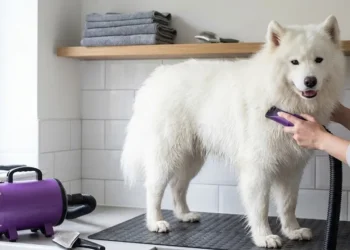
Huskies are naturally clean dogs with little odour, so they only need a bath occasionally. If you do bath at home, dry the coat thoroughly; our guide to the best dog dryers in the UK explains how to use one safely. For general technique, see our dog grooming guide.
3. Keeping Cool in UK Summers
Siberian Huskies overheat easily because their coat is built for Arctic cold. Walk early in the morning and late in the evening on warm days, provide shade and fresh water, and never leave a Husky in a car or conservatory.
Do not shave a Husky. The coat insulates against heat as well as cold, and VCA Animal Hospitals warns that shaving can make overheating more likely. Learn the warning signs on the PDSA’s heatstroke page, as heatstroke can progress quickly and be fatal.
4. Diet and Weight
Feed your Husky a complete, good-quality dog food suited to its age and activity level, and adjust the amount to keep a visible waist. Huskies are efficient eaters and often need less food than owners expect for their size.
Avoid feeding from the table. Extra weight raises the risk of joint problems and, as the VetCompass study showed, hypothyroidism.
5. Teeth, Ears, Nails and Paws
Brush your Husky’s teeth daily with a dog toothpaste, as dental disease is the most common health problem in UK dogs. Check ears weekly for redness or smell, trim nails when they click on hard floors, and check paws after walks for cuts, grass seeds and grit. Our guide on how to care for your dog’s paws has more tips.
6. Vaccinations and Parasite Control
All dogs in the UK should be vaccinated against parvovirus, distemper, infectious hepatitis and leptospirosis, according to the PDSA’s dog vaccine guide. Leptospirosis boosters are needed every year; rabies vaccination is only needed if your dog travels abroad.
Use regular flea, tick and worm treatment as advised by your vet. Our review of flea and tick collars for dogs compares one option.
7. Training, Company and a Secure Garden
Siberian Huskies are friendly with almost everyone, so they make poor guard dogs but sociable companions. They do not cope well alone for long, and the PDSA describes them as escape artists that need a very secure garden with high fences.
Use short, reward-based training sessions. Huskies have a strong prey drive, so take care around cats, rabbits and other small pets.
Are Huskies Hard to Take Care Of?
Yes, Huskies are harder to take care of than most pet breeds, mainly because of their exercise needs, shedding and escape skills. The PDSA recommends them for experienced owners and households with older children or adults only.
A Husky suits an active owner who is home most of the day and enjoys long outdoor exercise in all weather. They suit busy, flat-based or first-time owners far less well.
When to See a Vet
See your vet promptly if your Siberian Husky shows any change in its eyes, movement, skin, breathing or behaviour. Contact a vet straight away, or an out-of-hours vet, for:
- A seizure lasting more than a few minutes, or several seizures close together
- Sudden breathing difficulty, heavy panting that will not settle, or collapse
- A red, painful, cloudy or bulging eye
- Signs of heatstroke such as heavy panting, drooling, wobbling or vomiting
Book a routine appointment for limping, crusting around the eyes or mouth, weight gain, a thinning coat, new lumps, or a change in bark or breathing noise. Yearly health checks help your vet catch problems early.
How Much Does Husky Health Care Cost in the UK?
A Siberian Husky costs at least around £105 a month to keep after the purchase and set-up costs, according to the PDSA, which puts the lifetime cost at over £17,000.
That figure covers food, routine vet care and other basics. It does not include treatment for illnesses such as eye disease or epilepsy, which is why many owners take out pet insurance. Check carefully whether a policy covers hereditary and lifelong conditions.
Adopting a Rescue Husky in the UK
Many Siberian Huskies in the UK need new homes, and several breed-specific rescues match dogs with experienced owners. Breed rescues include the Siberian Husky Welfare Association, 8 Below Husky Rescue and S.H.A.R.E Husky Rescue.
Rescues usually neuter, microchip and vaccinate dogs before rehoming, and offer lifelong advice. To understand the process, read our step-by-step guide on how to adopt a dog in the UK.
FAQs
What health problems do Siberian Huskies have?
Siberian Huskies are mainly prone to inherited eye diseases (cataracts, glaucoma and progressive retinal atrophy), hip dysplasia, epilepsy, hypothyroidism and zinc-responsive dermatosis. Rarer conditions include laryngeal paralysis and uveodermatologic syndrome.
Are Huskies a healthy breed?
Yes, Huskies are generally a healthy breed with a UK median life expectancy of 11.9 years, close to crossbred dogs. Their main weakness is inherited eye disease, so buying from health-tested parents matters.
Are Siberian Huskies prone to seizures?
Siberian Huskies can develop idiopathic epilepsy, and it is a recognised concern in the breed. There is no DNA test, so ask breeders about seizures in the puppy’s family line and see a vet after any seizure.
How long do Siberian Huskies live?
Siberian Huskies in the UK have a median life expectancy of about 11.9 years. Most healthy, well-cared-for Huskies live between 10 and 14 years.
How do you take care of a Siberian Husky?
You take care of a Siberian Husky by giving more than two hours of exercise a day, brushing the coat several times a week, keeping the dog lean and cool, and staying up to date with vaccinations, parasite treatment and yearly vet checks.
Are Huskies hard to take care of?
Yes, Huskies are demanding dogs because they need lots of exercise, shed heavily and are skilled escape artists. They suit experienced, active owners who are home most of the day.
What skin problems do Siberian Huskies get?
The most common Siberian Husky skin problem is zinc-responsive dermatosis, which causes crusting and hair loss around the eyes, lips and ears. Fleas, allergies and hypothyroidism can also cause skin and coat issues.
Should I shave my Husky in summer?
No, you should not shave a Husky. The double coat helps protect against heat as well as cold, and shaving can make overheating more likely. Brush out the loose undercoat instead.
What health tests should a Husky puppy’s parents have?
A Husky puppy’s parents should have an eye examination under the BVA/RKC/ISDS Eye Scheme, including gonioscopy, and ideally a BVA/RKC hip score. Ask to see the certificates before you commit.
Related Articles
- How to Prevent Hip Dysplasia in Dogs
- Dog Grooming Guide for Dog Lovers
- Questions to Ask a Dog Breeder in the UK: The Complete Checklist
- How to Adopt a Dog in the UK: Your Complete Step-by-Step Guide
- Dogs Trust: An Independent Guide to Adoption, Rehoming Centres and Support
Conclusion
Siberian Huskies are healthy, long-lived dogs for their size, but they come with real responsibilities. Eye testing, a lean body, careful summer walks and more than two hours of daily exercise prevent or catch most of the problems covered in this guide.
If you are ready for that commitment, consider giving a rescue Husky a second chance. UK breed rescues and centres such as Dogs Trust regularly look for experienced homes, and an adult rescue dog lets you see its personality and health before you commit.
Medical Disclaimer: This article is general information only and is not a substitute for advice from a qualified veterinary surgeon. If you are worried about your dog’s health, contact your vet.
Insurance Disclaimer: This article is general information, not financial advice. Policy prices and cover vary by provider, pet, and postcode. Compare policies and read the terms carefully, or speak to an FCA-regulated adviser.