

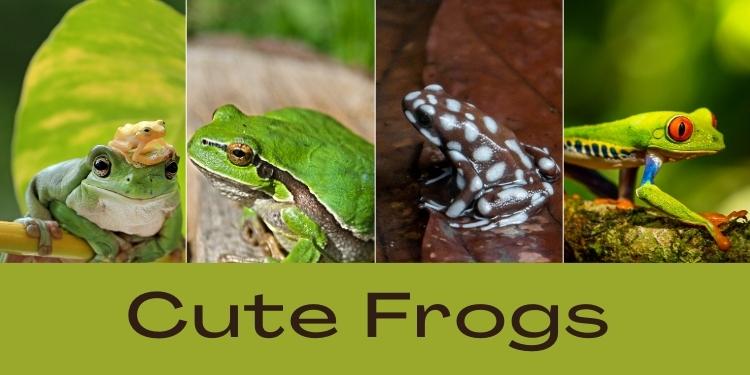
A pet frog can be a rewarding first exotic pet, as long as you pick a hardy, captive-bred species and set up its home before it arrives. White’s tree frogs, horned (Pacman) frogs, tomato frogs and oriental fire-bellied toads are the most forgiving choices for a first-time keeper.
Frogs also need new homes more often than people expect. Reptile shops, rescues and classified sites, such as Pets4Homes in the UK, regularly list frogs from owners who can no longer keep them, often with a full set-up included.
This guide compares eight popular species, explains how to look after a frog day to day, and covers costs, children and the laws to check before you buy.
Key Takeaways
- White’s tree frogs are the easiest all-round pet frog, followed by horned frogs, tomato frogs and oriental fire-bellied toads.
- Frogs do not have breeds; more than 8,000 frog and toad species exist, and pet shops sell species and colour morphs.
- Most starter frogs cost roughly $15 to $80 in the US or £20 to £80 in the UK, while the tank, heating and lighting usually cost several times more.
- Pet frogs eat live insects dusted with calcium and vitamin D3, and they need dechlorinated water every day.
- Frogs are display animals: handle them rarely, with clean wet hands or moistened gloves, and wash your hands afterwards.
- US public health guidance says children under 5 should not touch amphibians because they can carry Salmonella.
- Laws differ between countries, so check local wildlife and invasive species rules, and never release a pet frog outside.
Quick Answer: What Is the Easiest Pet Frog?
The easiest pet frog for most people is the White’s tree frog, because it is hardy, calm and widely captive-bred. Horned frogs suit small spaces, and fire-bellied toads suit keepers who want daytime activity.
| Category | Recommendation | Approx. Price (US / UK) |
|---|---|---|
| Best Overall | White’s tree frog | $35 to $70 / £40 to £60 |
| Best Budget | Oriental fire-bellied toad (kept in small groups) | $15 to $50 / £10 to £30 each |
| Best for Small Spaces | Horned (Pacman) frog | $15 to $50 / £25 to £80 |
| Best Big Frog for Experienced Keepers | African bullfrog (males reach 20 to 25 cm) | $25 to $75 for juveniles / varies widely |
Prices are approximate ranges from US and UK sellers and classified adverts, and vary by age, morph, seller and country.
Can You Have a Pet Frog?
You can have a pet frog in most homes, provided you can maintain a heated, humid enclosure, feed live insects and commit for up to 10 to 15 years. The US Centers for Disease Control and Prevention (CDC) does not recommend reptiles or amphibians for households with children under 5, older adults or people with weakened immune systems.
A frog is a pet to watch rather than cuddle. If someone in your home wants an animal to hold every day, a small mammal or a calm reptile may suit them better. Our list of cute reptiles to own covers some alternatives.
Pet Frog Types: Do Frogs Have Breeds?
Frogs do not have breeds in the way dogs and cats do. Each pet frog belongs to a separate species, and AmphibiaWeb lists more than 8,000 frog and toad species worldwide. What sellers call “breeds” are usually species or colour morphs.
Colour morphs are selectively bred colour forms within one species, such as “snowflake” White’s tree frogs or “strawberry” Pacman frogs. A UK shop listed snowflake White’s tree frogs at £150, several times the price of the standard green form.
It is more useful to group pet frogs by lifestyle, because lifestyle decides the shape of the tank:
| Type | Lifestyle | Examples in this guide | Tank shape |
|---|---|---|---|
| Tree frogs | Climb and perch, mostly nocturnal | White’s tree frog, Amazon milk frog, red-eyed tree frog | Tall |
| Ground frogs | Sit, burrow and ambush prey | Horned frog, tomato frog, African bullfrog | Long and low |
| Semi-aquatic frogs | Split time between land and shallow water | Oriental fire-bellied toad | Long, with a water area |
| Small display frogs | Active by day in planted set-ups | Poison dart frogs | Planted, cube or tall |
What to Look For in Your First Frog
- Captive-bred origin: An exotics vet writing for Exotics Keeper notes that wild-caught White’s tree frogs can still be found in the pet trade, and that the amphibian trade has been linked to the spread of chytrid fungus and ranaviruses.
- Hardiness: Starter species tolerate small swings in temperature and humidity. Fragile species decline quickly if conditions slip.
- Adult size: Pet frogs range from about 3 cm to over 20 cm. Plan for the adult, not the froglet in the shop.
- Lifespan: Many species live 7 to 15 years, and some live longer.
- Activity pattern: Most tree frogs are nocturnal, while fire-bellied toads and dart frogs are active by day.
- Food: All the species here eat live food, from fruit flies to large crickets.
8 Pet Frog Species Worth Considering
The eight species below are ranked by how forgiving they are for a first-time keeper. We compared care sheets from specialist suppliers in the UK and US and veterinary information sheets; this ranking is a desk comparison, not a hands-on test.
1. White’s Tree Frog (Australian Green Tree Frog)
White’s tree frogs are the most beginner-friendly frog for most homes. The UK supplier Reptco lists an adult size of 7 to 12 cm and a lifespan of 7 to 10 years, and recommends a tall terrarium of about 45 x 45 x 60 cm for one or two adults.
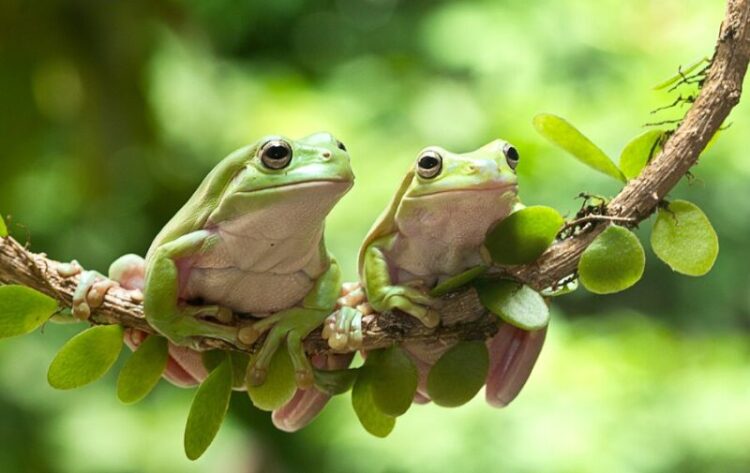
Its round face and “smiling” mouth earn it the nickname dumpy tree frog. A vet-approved Petco care sheet rates it as a beginner species but warns that it often becomes overweight.
Best For: First-time keepers, teenagers and adults who want an active, visible frog.
Key Features:
- Calm and fairly tolerant of gentle, occasional handling
- Climbs and perches, so it suits a tall planted terrarium
- Many colour morphs, including blue-eyed and snowflake
Pros:
- Hardy and widely captive-bred
- Large enough to watch easily
Cons:
- Skin secretions can irritate eyes and cuts
- Prone to obesity if overfed
Price Range: About $35 to $70 in the US, according to More Reptiles, and £40 to £60 in the UK for a standard juvenile, such as this £45 listing. Rare morphs often cost over $100 or £85 to £175 (prices vary by retailer and size).
2. Horned Frog (Pacman Frog)
Horned frogs, better known as Pacman frogs, suit keepers with limited space. Reptco gives an adult size of 8 to 10 cm and a lifespan of 7 to 10 years for Cranwell’s horned frog, while Swell Reptiles gives 5 to 6 years, so sources vary.
Pacman frogs spend most of their time half-buried, waiting for food to pass. A UK classified site notes that they can be defensive and may bite when disturbed, so they are better watched than handled.
Best For: Owners who want a low-activity, “watch, don’t touch” frog with plenty of character.
Key Features:
- Ground-dwelling, so it needs floor space rather than height
- Huge range of colour morphs
- Adults usually eat every few days rather than daily
Pros:
- Simple set-up and small enclosure
- Affordable in its standard green form
Cons:
- Bites when it mistakes fingers for food
- Not very active, which disappoints some children
Price Range: About $15 to $50 in the US, according to Everything Reptiles, and £25 to £80 in the UK, where Peregrine lists a captive-bred green horned frog at £23.99 (prices vary by retailer and morph).
3. Tomato Frog
Tomato frogs are one of the cutest pet frog choices, with round, bright red-orange bodies. Swell Reptiles’ care sheet gives an adult size of 5 to 8 cm, a lifespan of 6 to 8 years and a minimum enclosure of 60 x 45 x 30 cm.
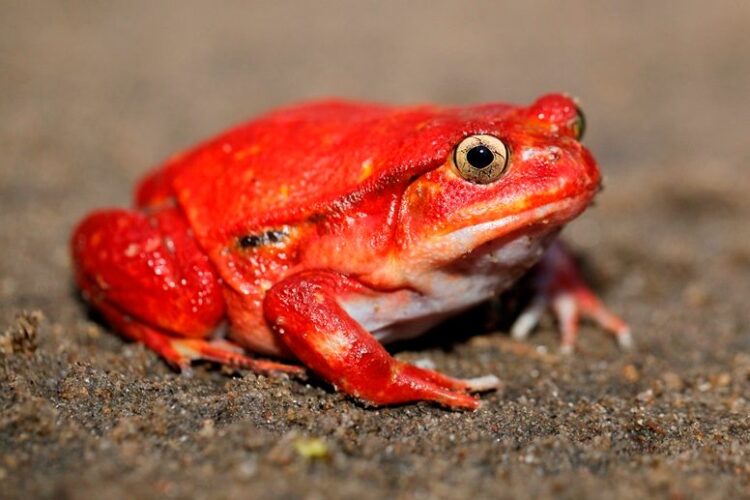
Tomato frogs come from Madagascar and live on the forest floor, so they burrow rather than climb. When threatened, they puff up and release a sticky skin secretion, and Swell Reptiles marks the species as not for handling.
Best For: Keepers who want a colourful, compact frog that stays on the ground.
Key Features:
- Females are larger and brighter than males
- Needs deep, damp substrate for burrowing
- Nocturnal and fairly sedentary
Pros:
- Hardy, with simple care
- Eye-catching colour
Cons:
- Often hidden during the day
- Sticky defensive secretion if stressed
Price Range: About $25 to $30 in the US, according to Reptile Guide, though some sellers charge up to $50. UK prices were not verified for this guide, so ask reptile shops for captive-bred stock.
4. Oriental Fire-Bellied Toad
Oriental fire-bellied toads are the best budget option and, despite the name, they are frogs. Reptco gives an adult size of about 5 cm and a lifespan of up to 20 years, while PetMD puts it at 7 to 15 years with proper care.
Fire-bellied toads are green on top with a bright orange belly. They are active in the daytime, live well in small groups and need both land and a shallow water area.
Best For: Teenagers and adults who want an active, daytime frog to watch in a small group.
Key Features:
- Semi-aquatic: half land, half shallow water
- Lives well in small groups
- Bright warning colours on the belly
Pros:
- Active during the day
- Low cost per frog
Cons:
- Skin secretions can irritate eyes and mouths
- Water area needs frequent cleaning
Price Range: About $15 to $50 each in the US, with Josh’s Frogs listing captive-bred toads at $49.99, and £10 to £30 each in the UK, where Peregrine sells a bundle of five for £47.99 (prices vary by retailer and colour).
5. Amazon Milk Frog (Mission Golden-Eyed Tree Frog)
Amazon milk frogs are a good second step for keepers ready for a larger tree frog. Reptco lists an adult size of 7 to 12 cm and a lifespan of 7 to 10 years, with a 45 x 45 x 60 cm terrarium for one or two adults.
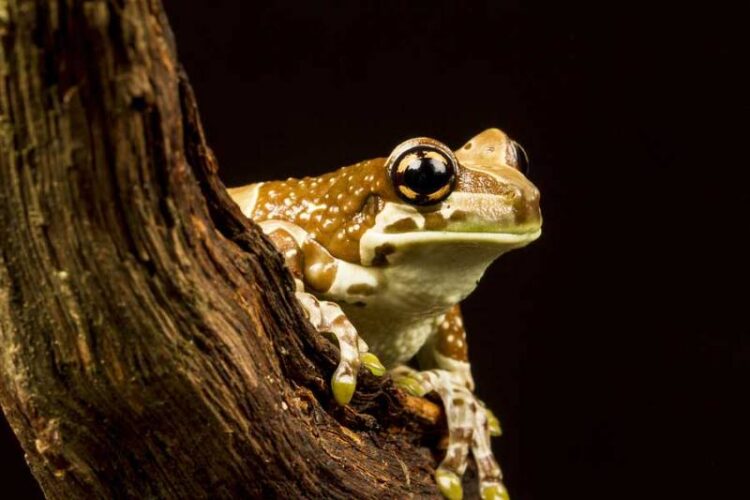
The name comes from the milky substance this frog releases when threatened. These nocturnal climbers come from the Amazon rainforest, and males can be loud at night, which matters if the enclosure sits in a bedroom.
Best For: Keepers with some experience who want a striking, larger tree frog.
Key Features:
- Often kept in pairs or small groups
- Juveniles have bold black and white banding
- Needs a tall, humid terrarium and UVB lighting
Pros:
- Bold and easy to see at night
- Generally hardy once settled
Cons:
- Loud calls from males
- Defensive milky secretion if stressed
Price Range: About $40 to $100 in the US, according to Everything Reptiles, and £20 to £75 in the UK (prices vary by retailer and age).
6. Red-Eyed Tree Frog
Red-eyed tree frogs are among the most photographed frogs in the hobby, but they suit confident beginners rather than complete novices. PetMD rates their care as intermediate, with a lifespan of up to 8 to 12 years, and describes them as nocturnal frogs that hide by day.
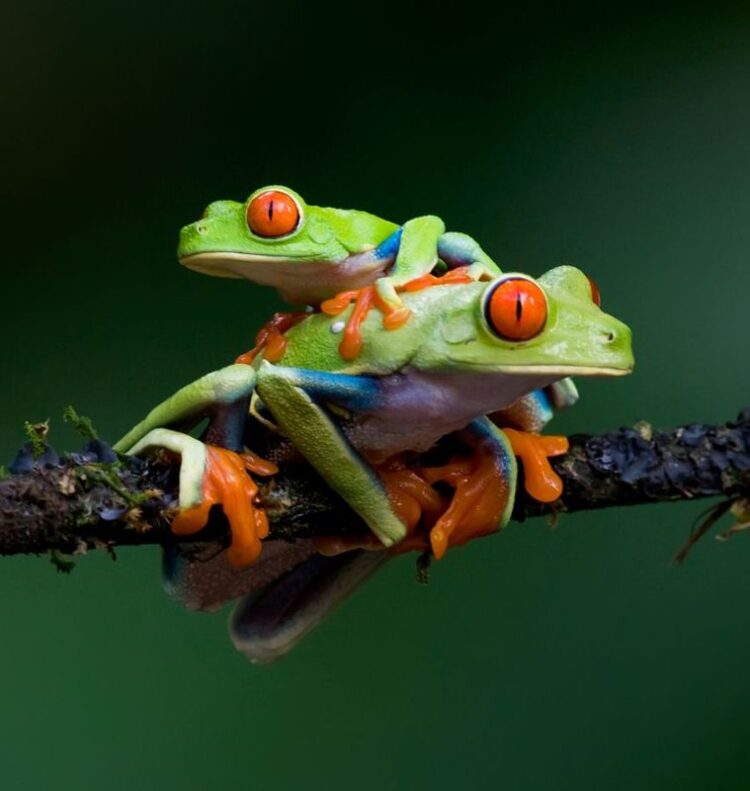
Adults reach about 5 to 6 cm, according to Reptco’s care sheet. They need high humidity and plenty of plants, and should only be handled when necessary, using moistened, powder-free gloves.
Best For: Keepers who want a show-piece planted terrarium and are happy to watch at night.
Key Features:
- Bright green body, blue and yellow flanks, red eyes
- Can be kept in small groups
- Needs a tall, well-ventilated, humid set-up
Pros:
- Spectacular colours
- Widely captive-bred
Cons:
- Less forgiving of low humidity than White’s tree frogs
- Sleeps through most of the day
Price Range: About $25 to $75 in the US, according to Everything Reptiles, and £50 to £80 in the UK, such as this £55 listing for babies (prices vary by retailer).
7. Yellow-Banded Poison Dart Frog
Yellow-banded poison dart frogs are a friendly entry point into dart frogs, and captive-bred animals are not dangerous to keep. Exo Terra’s care guide lists an adult size of 3.1 to 3.8 cm and a lifespan of 10 to 15 years, and says captive-bred frogs pose no poisoning risk.
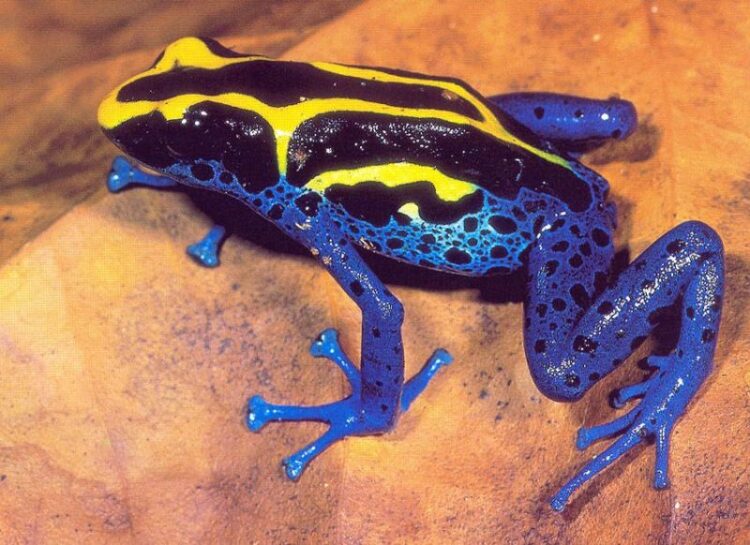
Dart frogs are tiny, active by day and striking in a planted terrarium. They eat very small live food such as fruit flies and springtails, so you will need a regular supply.
Best For: Keepers who love planted terrariums and want a colourful daytime display.
Key Features:
- Active and visible during the day
- Bold yellow and black banding
- Thrives in bioactive (living) set-ups
Pros:
- Long-lived and rewarding to watch
- Captive-bred frogs are non-toxic
Cons:
- Needs tiny live food cultures
- Very sensitive skin, so no handling
Price Range: About $40 to $80 in the US for common species, according to Everything Reptiles, and £30 to £100 in the UK, where classified adverts list froglets from about £30.
8. African Bullfrog (Pixie Frog): The Giant Option
African bullfrogs are the biggest frog commonly kept as a pet, and they are not a starter frog for families. LafeberVet’s veterinary information sheet says males may reach 20 to 25 cm, adults often weigh more than 2 kg, and lifespans of up to 20 years are common.
LafeberVet also warns that adults can inflict a painful bite, and advises feeding with tongs and housing each frog alone. Reptco suggests a 60 x 45 x 45 cm glass tank with a warm side of 25 to 28°C.
Best For: Experienced adult keepers who want a giant frog and understand the bite risk.
Key Features:
- Males are roughly twice the size of females
- Burrowing, ground-dwelling frog
- Very strong feeding response
Pros:
- Impressive size and presence
- Long-lived
Cons:
- Painful bite
- Large enclosure and frequent cleaning
Price Range: About $25 to $75 for young frogs in the US, according to Everything Reptiles. UK adverts vary widely, and one UK listing priced an adult male at £350.
Pet Frog Species Compared: Size, Lifespan and Price
| Species | Best For | Care Level | Adult Size | Lifespan | Approx. Price (US / UK) |
|---|---|---|---|---|---|
| White’s tree frog | Most first-time keepers | Beginner | 7 to 12 cm | 7 to 10+ years | $35 to $70 / £40 to £60 |
| Horned (Pacman) frog | Small spaces | Beginner | 8 to 10 cm+ | 5 to 10 years | $15 to $50 / £25 to £80 |
| Tomato frog | Colourful ground frog | Beginner | 5 to 8 cm | 6 to 8 years | $25 to $50 / not verified |
| Oriental fire-bellied toad | Daytime activity, budget | Beginner | About 5 cm | 7 to 15+ years | $15 to $50 / £10 to £30 each |
| Amazon milk frog | Larger tree frog | Beginner to intermediate | 7 to 12 cm | 7 to 10 years | $40 to $100 / £20 to £75 |
| Red-eyed tree frog | Show-piece terrarium | Intermediate | 5 to 6 cm | 8 to 12 years | $25 to $75 / £50 to £80 |
| Yellow-banded dart frog | Planted daytime display | Beginner to intermediate | 3 to 4 cm | 10 to 15 years | $40 to $80 / £30 to £100 |
| African bullfrog | Experienced adults | Intermediate | Males 20 to 25 cm | Up to 20 years+ | $25 to $75 (young) / varies |
Care levels summarise the cited care sheets. Sizes and lifespans come from the sources linked in each species section, and sources vary.
How to Care for a Pet Frog
Caring for a pet frog comes down to five things: the right enclosure, stable warmth and humidity, live insects with supplements, clean dechlorinated water and minimal handling. Most problems in captive frogs trace back to one of these, so get them right before the frog comes home.
Setting Up a Pet Frog Tank
A pet frog tank, usually a glass terrarium, should match how the species lives. Tree frogs need height, such as the 45 x 45 x 60 cm tall terrarium Reptco recommends for White’s tree frogs, while ground frogs need floor space, such as the 60 x 45 x 30 cm enclosure Swell Reptiles suggests for tomato and horned frogs.
Glass suits most frogs because it holds humidity and lets you see in. UK retailer Hugglepets notes that glass and plastic enclosures let heat escape more quickly than wooden vivariums, which helps stop frogs overheating. Inside, recreate the natural habitat: damp substrate such as coconut fibre, hides, cork bark, plants and, for climbers, branches and vines.
Temperature, Humidity and Lighting
Most popular pet frogs need a warm, humid enclosure with a temperature gradient. For White’s tree frogs, Reptco advises a warm side of about 23 to 29°C, a cool side of 21 to 24°C, a night-time drop to 18 to 22°C, and daily misting to hold humidity around 60 to 70%.
Use a heat mat or ceramic heater controlled by a thermostat, and check readings with a digital thermometer and hygrometer. Many keepers also add low-level UVB. The Reptile Centre’s Amazon milk frog care sheet explains that UVB lets frogs make vitamin D3 in their skin, which they need to absorb calcium.
What Do Pet Frogs Eat?
Pet frogs eat live insects, such as crickets, locusts, roaches and worms for larger species, and fruit flies or springtails for dart frogs. Hugglepets advises dusting food with calcium and vitamin D3 two to three times a week for juveniles and at least once a week for adults, and never offering prey larger than the frog’s head.
Gut-load insects by feeding them a nutritious insect food for a day before you offer them. Avoid overfeeding: Petco advises giving White’s tree frogs only as many insects as they eat in about 15 minutes, because the species gains weight easily.
Water and Cleaning
Pet frogs drink and absorb water through their skin, so water quality matters more than for most pets. Hugglepets recommends fresh water every day, in a dish no deeper than the frog’s height at rest, and changing soiled water promptly.
Always use dechlorinated water, because tap water in many areas contains chlorine or chloramine. Our guide to cleaning a fish tank with chloramine-safe tap water explains the same water treatment steps. Spot-clean droppings daily and deep-clean the enclosure regularly.
Handling and Hygiene
Handling should be rare, because frog skin is thin and absorbs soap, lotion and other chemicals. When you must move a frog, use clean wet hands or moistened, powder-free gloves. Public Health England’s hygiene advice for reptile keepers applies equally well to amphibians:
- Wash hands with soap and water straight after touching the frog, its enclosure or its equipment.
- Supervise children so they never put the frog or its items near their mouths.
- Keep the enclosure out of rooms where food is prepared or eaten.
- Never clean the enclosure or water bowl in the kitchen sink.
Are Pet Frogs Poisonous?
Most pet frogs are not dangerous, but many produce skin secretions that can irritate eyes, mouths and cuts. Petco’s care sheet says White’s tree frogs secrete irritating toxins to deter predators, so wash your hands before and after any contact.
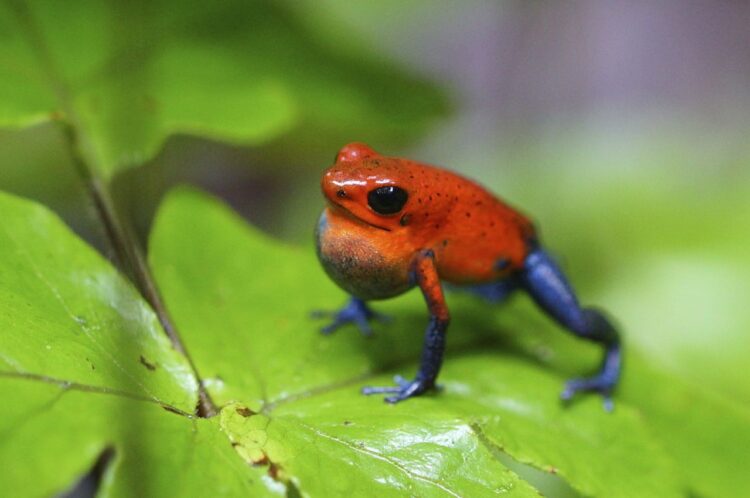
Poison dart frogs get their toxins from wild prey. LafeberVet notes that frogs bred in captivity for several generations do not make skin toxins because of their diet, but still advises treating every frog as toxic until shown otherwise.
Which Frog Is Best for Kids?
For families with children over 5, a calm display frog such as the White’s tree frog is the safest choice, with an adult responsible for care. The Reptile Centre describes White’s tree frogs as popular with families, but says oriental fire-bellied toads are best for adults and teenagers because their skin is toxic.
Age matters for health reasons. The CDC advises that children under 5 should not touch amphibians or their enclosures, because frogs can carry Salmonella even when they look clean, so a frog is not a suitable pet for toddlers or preschoolers. For older children and teenagers, daytime species like fire-bellied toads are more fun to watch than nocturnal tree frogs, as long as nobody handles them.
How Much Does a Pet Frog Cost?
A pet frog usually costs about $15 to $80 in the US or £20 to £80 in the UK, but the full set-up typically costs several times more. The terrarium is the biggest expense: in the UK, for example, the Reptile Centre’s range lists an Exo Terra 45 x 45 x 45 cm glass terrarium at around £160.
| Item | Approx. UK Cost (example) |
|---|---|
| Frog (captive-bred) | £20 to £80 (morphs and rarer species cost more) |
| Glass terrarium (45 x 45 x 45 cm or 45 x 45 x 60 cm) | £100 to £200 |
| UVB lighting unit | From about £30 |
| Substrate, plants and décor | £30 to £80 |
| Heat mat and thermostat | Varies by brand; always use a thermostat |
| Live insects and supplements | Ongoing weekly cost |
| Exotics vet check | Varies by practice |
Prices are approximate. For example, an Exo Terra T5 UVB fixture is listed from around £30, and prices change often. Check local retailers for prices where you live.
Taking on a rehomed frog with its set-up can cut costs sharply. Ask for a recent photo or video of the frog eating, and check the heating and lighting work before you pay.
Can You Keep a Wild Frog as a Pet?
You should not keep a wild frog as a pet. Chewy veterinarian Teresa Manucy, DVM, says that “frogs that are caught in the wild should not be kept as pets”. Wild frogs can carry disease, are hard to keep alive and are often protected by law, although the rules vary from country to country.
UK Frog Breeds: Can You Keep a British Frog?
British frogs cannot be kept as pets in practice. Britain has only two native frogs, the common frog and the pool frog, and the British Naturalists’ Association notes that all native amphibians are protected from sale or trade.
Amphibian and Reptile Conservation confirms that the common frog and its spawn are protected by law from trade and sale. The pool frog is far rarer, and Froglife explains it has full legal protection at every life stage. The best way to enjoy wild frogs anywhere is a wildlife-friendly garden pond.
Which Frogs Are Illegal to Keep?
Which frogs are illegal to keep depends on where you live, so check local wildlife and invasive species rules before buying. In the UK, GOV.UK guidance on invasive non-native species lists the North American bullfrog, which means you must not keep, breed, sell or release it in England and Wales without a permit or licence.
Escaped and released pets, including fire-bellied toads, have turned up in the British countryside, and the British Naturalists’ Association warns that releasing exotic species into the wild is a criminal offence under the Wildlife and Countryside Act 1981. Wherever you live, rehome an unwanted frog through a reptile shop or rescue rather than releasing it.
Weird and Cool Frogs That Are Not Pets
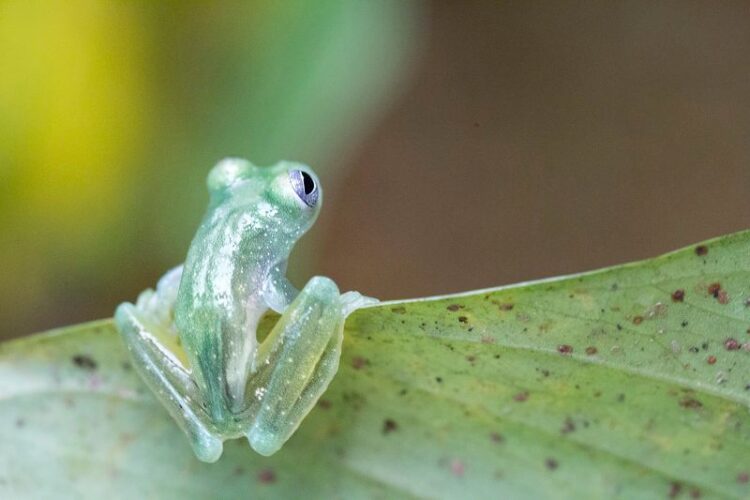
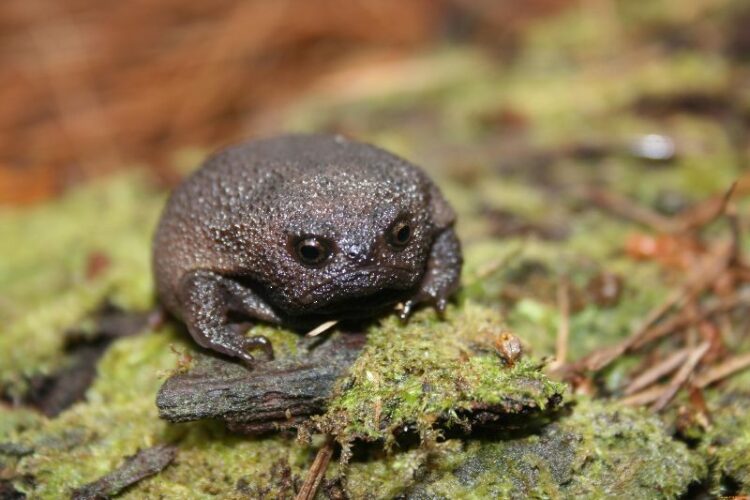
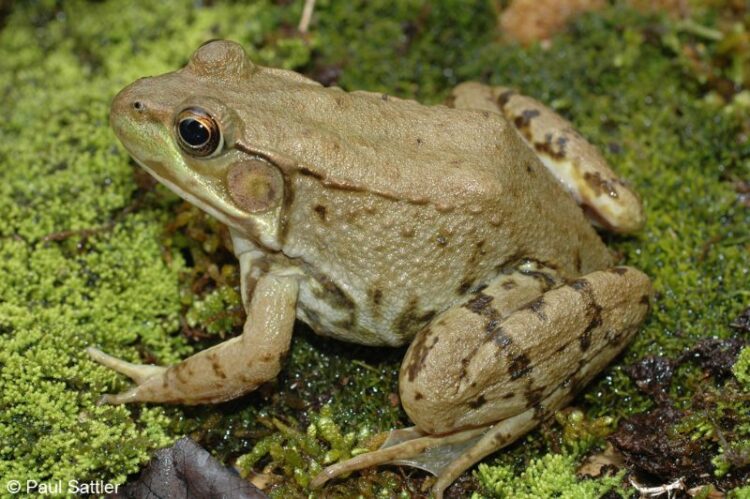
Weird and cool frogs like the desert rain frog and glass frogs are famous online but are not suitable pets. Many unusual species reach the trade only as wild-caught animals, and the Exotics Keeper vet article notes that the amphibian pet trade has been implicated in spreading infectious diseases such as chytrid fungus.
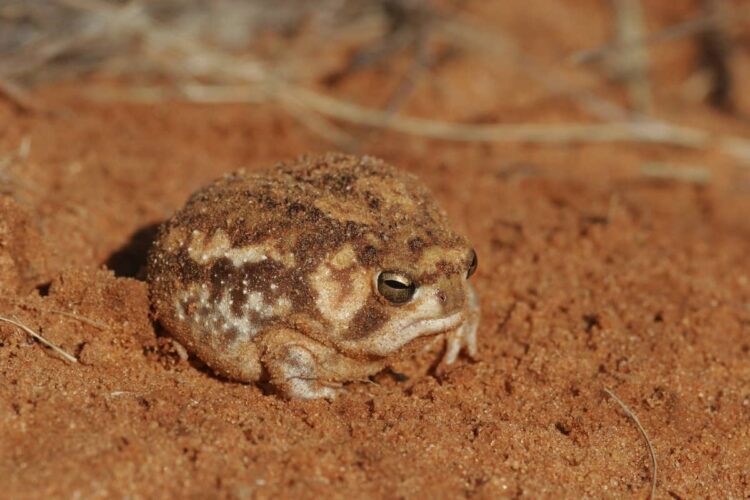
- Desert rain frog: A tiny, round burrowing frog from coastal southern Africa, best known for its squeaky-toy call. Its sandy habitat is very hard to recreate at home.
- Glass frogs: Small Central and South American tree frogs with see-through belly skin. They are delicate and specialist.
- Black rain frog (Breviceps fuscus): A grumpy-looking burrowing frog from South Africa that spends much of its life underground.
- Green frog (Lithobates clamitans): A wild North American pond frog that belongs in the wild.
If an unusual-looking frog appeals to you, horned frogs and tomato frogs offer plenty of personality and are widely captive-bred.
Buying Guide: Getting Your First Frog
Getting your first frog should start with the enclosure, not the animal. Set up the terrarium and run it for several days to check temperature and humidity. Owners are responsible for their pet’s welfare; in the UK, for example, the Animal Welfare Act 2006 requires owners to meet five welfare needs, including a suitable environment and protection from disease.
- Buy captive-bred: Ask where and when the frog was bred. “CB” in a listing means captive-bred.
- Check health: Look for clear eyes, smooth unbroken skin and a good appetite. Ask to see it eat.
- Quarantine: Keep a new frog apart from existing amphibians for several weeks.
- Prepare water: Our beginner’s guide to setting up a freshwater aquarium covers the basics of treating tap water.
- Find an exotics vet first: Not every vet practice treats amphibians, so locate one before you need it.
- Plan for live food: If you are squeamish about crickets, a frog may not be the pet for you.
FAQs
What is the easiest pet frog?
The easiest pet frog is the White’s tree frog. It is hardy, widely captive-bred, calm and large enough to watch easily. Horned frogs, tomato frogs and oriental fire-bellied toads are also good choices for first-time keepers.
Do frogs have breeds?
Frogs do not have breeds like dogs or cats. Each pet frog is a separate species, and there are more than 8,000 frog and toad species. Pet shops also sell colour morphs, which are selectively bred colour forms of one species.
Can you have a pet frog with young children?
You can have a pet frog in a family home, but US public health guidance says children under 5 should not touch amphibians because they can carry Salmonella. For older children, choose a calm display frog and keep an adult in charge of care.
What is the biggest pet frog?
The biggest common pet frog is the African bullfrog, also called the pixie frog. Males can reach 20 to 25 cm and weigh more than 2 kg. They can bite painfully, so they suit experienced adult keepers.
What do pet frogs eat?
Pet frogs eat live insects such as crickets, locusts, roaches and worms, or fruit flies and springtails for tiny species. Dust insects with calcium and vitamin D3, and never offer prey larger than the frog’s head.
How long do pet frogs live?
Pet frogs usually live 7 to 15 years, depending on the species and the quality of care. White’s tree frogs often live 7 to 10 years or more, and African bullfrogs commonly reach 20 years.
How much does a pet frog cost?
A pet frog usually costs about $15 to $80 in the US or £20 to £80 in the UK, with rare colour morphs costing more. The terrarium, lighting, heating and décor usually cost several times more than the frog.
Are poison dart frogs safe as pets?
Captive-bred poison dart frogs are safe to keep because they do not make skin toxins without their wild diet. They are still fragile and should not be handled. Always buy captive-bred dart frogs rather than wild-caught animals.
Can I keep a wild frog as a pet?
You should not keep a wild frog as a pet. Vets advise against it, wild frogs can carry disease, and native frogs may be protected by law. In the UK, for example, native frogs and their spawn cannot be sold. Enjoy wild frogs in a garden pond instead.
Related Articles
- 10 Adorable Cute Reptiles To Own
- A Beginner’s Guide to Setting Up a Freshwater Aquarium
- How to Clean a Fish Tank: A Step-by-Step UK Guide
- The Snapping Turtle: A Large, Dangerous Turtle
Conclusion
For a first frog, stick with the hardy, captive-bred favourites: a White’s tree frog for most homes, a Pacman frog for small spaces, a tomato frog for colour or fire-bellied toads for daytime activity. Leave giants, fragile specialists and wild frogs to experienced keepers and to nature.
Before you buy, consider rehoming. Many frogs need new homes when their owners move or lose interest, and they often come with a working set-up. Ask local reptile shops and exotic pet rescues whether they have frogs waiting, set up the terrarium first, and you could give a rescued frog a long, healthy second life.
Health Disclaimer: This article is general information, not veterinary or medical advice. Ask an exotics vet about your frog’s health, and speak to a doctor or pharmacist if anyone in your home becomes unwell after contact with a pet amphibian.