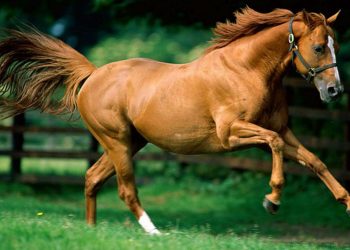



Walk into any UK feed store and you will see bags of glossy, molasses-coated mix with names like “conditioning mix” or “coarse mix”. In the US this is called sweet feed for horses, and it is one of the most searched and most misunderstood horse feeds. Horses love the taste, and owners love seeing an empty bucket.
The problem is that sweet feed is a cereal-based feed, and most horses in the UK do not need extra cereal. Many rescue horses and ponies arrive at sanctuaries overweight or with laminitis, and a rich bucket feed is often part of the story. Others, such as thin rescues or hard-working horses, can benefit from a carefully measured amount.
This guide explains what sweet horse feed is made of, whether it is good or bad for horses, how much to feed (including miniature horses), whether it puts weight on, how it differs from “all stock” feed, and what to feed instead.
Key Takeaways
- Sweet feed is a textured mix of cereal grains (such as oats, barley and maize) coated in molasses; in the UK it is usually sold as a coarse mix or conditioning mix.
- Most of the sugar and starch in sweet feed comes from the cereal grains, not the molasses, so a pellet made from the same grains is not much “healthier”.
- Most adult horses do not need sweet feed every day; good forage plus a balancer meets the needs of many leisure horses.
- Sweet feed is not safe for horses prone to laminitis, horses with equine metabolic syndrome (EMS) or PPID, or overweight horses and ponies.
- A common safety limit is no more than 1 gram of starch per kilogram of body weight in a single meal, which caps a 500 kg horse at roughly 1.5 to 2.5 kg of sweet feed per meal depending on its starch level.
- Miniature horses rarely need sweet feed; a low-calorie balancer and weighed forage are usually the safer choice.
- Never feed “all stock” or cattle feed to horses unless the label clearly says it is safe for horses, because some livestock feeds contain additives that are deadly to horses.
Quick Answer: Is Sweet Feed Good for Horses?
Sweet feed can be a useful energy source for healthy horses in hard work, growing youngstock, broodmares and some thin horses that need extra calories. It is a poor choice for overweight horses, good doers, laminitis-prone ponies and most miniature horses. For every horse, forage should form the base of the diet, and sweet feed should be weighed, split into small meals and kept within safe starch limits.
What Is Sweet Feed for Horses?
Sweet feed for horses is a textured concentrate made from whole, rolled, flaked or cooked cereal grains mixed with protein sources, vitamins, minerals and molasses. The molasses gives a sweet taste and a sticky texture that binds the ingredients together. Anything sold as a molassed mix, coarse mix, muesli or conditioning mix is generally considered sweet feed.
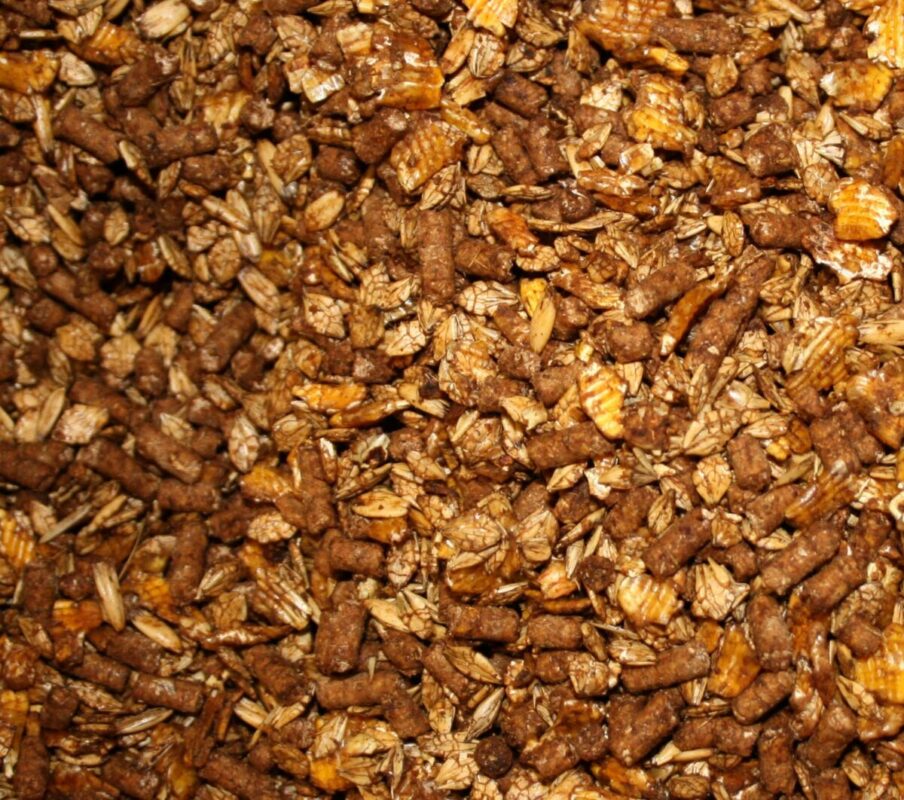
In the UK the term “sweet feed” is rarely printed on the bag. British feed companies tend to call these products mixes or mueslis, while pelleted versions are called cubes or nuts. If you can see separate flakes of grain glued together with a glossy coating, you are looking at a sweet feed.
What Is Sweet Feed Made Of?
Sweet feed is made of a cereal base (typically oats, barley, maize or wheat), protein ingredients such as soya or peas, a vitamin and mineral premix, and liquid molasses. Many UK mixes also add alfalfa, linseed, sunflower meal and oil. For example, Dodson & Horrell Pasture Mix, a typical UK coarse mix for light to medium work, lists 21% starch and 5.5% sugar on its label.
| Ingredient | What it does | Watch out for |
|---|---|---|
| Oats, barley, maize, wheat | Main energy (starch) source | High starch; the main reason sweet feed raises blood sugar |
| Molasses (cane or beet) | Taste, binds dust, holds the mix together | Adds sugar; can ferment or freeze in storage |
| Soya, peas, sunflower meal | Protein for muscle and topline | Usually fine at label rates |
| Alfalfa, oatfeed, wheatfeed | Fibre and bulk | Lowers starch slightly but does not replace hay |
| Vegetable oil, linseed | Slow-release calories and coat shine | Adds calories for good doers |
| Vitamin and mineral premix | Balances the ration at the full feeding rate | Under-feeding the mix leaves the diet unbalanced |
Is Sweet Feed Sweeter Than Pelleted Feed?
Sweet feed is usually only slightly sweeter than a pellet made from the same ingredients. Researchers at the University of Kentucky compared textured and pelleted versions of three feeds and found the average difference in simple sugars was under 1.5%, roughly the sugar in four peppermints per 3 lb (about 1.4 kg) serving. The textured versions had a little more starch, but the cereal grains drove most of the total.
The practical lesson is simple: judge a feed by its starch and sugar figures, not by whether it looks sticky. A low-starch fibre feed can contain a little molasses and still be suitable for a good doer, while a molasses-free cube made mostly of cereals can be high in starch.
Is Sweet Feed Good for Horses?
Sweet feed is good for some horses and unsuitable for others. It suits healthy horses that need more energy than forage can supply, such as horses in hard work, growing youngstock, pregnant or lactating mares and some poor doers. It is a poor match for leisure horses on good grazing, which make up a large share of UK horses.
Benefits of Sweet Feed
- High palatability: fussy eaters, older horses and horses recovering from illness often eat sweet feed when they refuse other feeds.
- Quick energy: cereal starch is digested fast in the small intestine, which suits horses in fast or intense work.
- Calories for weight gain: a conditioning mix supplies far more energy per scoop than hay, so it can help a healthy thin horse regain condition when fed correctly.
- A balanced ration at the full rate: branded mixes are fortified with vitamins and minerals, so they balance the diet when fed at the label amount.
- Useful for medication: the sticky coating helps powders and supplements stay mixed in.
Drawbacks of Sweet Feed
- High starch: too much starch in one meal can overflow into the hindgut, upset gut bacteria and raise the risk of colic and laminitis.
- Excess calories: good doers gain weight quickly, and obesity is a leading welfare problem for UK horses.
- Behaviour: some owners notice that horses become fizzy or harder to handle on high-starch feeds.
- Storage problems: molasses mixes can go mouldy in warm, damp feed rooms and set solid in cold weather.
- Not a forage replacement: sweet feed does not provide the long fibre a horse’s gut needs, despite what some older guides claim.
Is Sweet Feed Bad for Horses?
Sweet feed is bad for horses that cannot handle sugar and starch or do not need the calories. This includes horses and ponies prone to laminitis, horses with equine metabolic syndrome (EMS) or PPID (equine Cushing’s disease), overweight horses, native ponies, cobs and most miniature horses. For these animals, the risks of a cereal mix outweigh any benefit.
Obesity is a real concern in Britain. A study of 792 vet-registered horses found 31.2% were overweight, and World Horse Welfare estimates 35 to 45% of UK horses are overweight or obese. The MSD Veterinary Manual links overfeeding high-calorie feeds to obesity, insulin problems and laminitis.
| Horse type | Is sweet feed suitable? | Better option |
|---|---|---|
| Healthy horse in hard work (eventing, hunting, racing) | Often yes, in small weighed meals | Sweet feed or a cooked cereal mix, plus plenty of forage |
| Leisure horse in light work on good grass | Usually not needed | Forage plus a balancer |
| Laminitis-prone pony, EMS or PPID horse | No | Low sugar and starch fibre feed (under 10% combined) plus a balancer |
| Overweight horse or good doer | No | Weighed, lower-calorie hay and a balancer or vitamin and mineral supplement |
| Healthy thin horse | Possibly, with vet guidance | More forage first, then oil, alfalfa, sugar beet or a conditioning feed |
| Horse with gastric ulcers or hindgut problems | Usually no | High-fibre, low-starch feeds as advised by your vet |
| Miniature horse | Rarely | Forage plus a balancer at a reduced rate |
| Pregnant or lactating mare, growing youngstock | Sometimes | A stud or growth feed formulated for that life stage |
Extension specialists at the University of Tennessee advise that horses at high risk of laminitis should get a diet below 10% NSC (starch plus sugar) and should not be fed cereal grains. Most sweet feeds sit well above that figure.
Is Sweet Feed Safe for Horses?
Sweet feed is safe for healthy horses when it is weighed, introduced slowly, kept within starch limits per meal and stored properly. It becomes unsafe when large meals are fed, when the horse has a metabolic condition, or when the feed is mouldy or contaminated. The biggest day-to-day risk is simply feeding too much in one go.
The Starch Limit Per Meal
A horse’s small intestine can only digest so much starch at once. Researchers broadly agree that horses should get no more than 1 gram of starch per kilogram of body weight per meal. Undigested starch that reaches the hindgut ferments quickly, which can cause hindgut acidosis, colic and laminitis.
For a 500 kg horse, 1 g per kg equals 500 g of starch per meal. With a UK mix at about 20% starch, that is around 2.5 kg of feed. With a high-starch American-style sweet feed at around 33% starch, the cap drops to roughly 1.5 kg. This lines up with the long-standing UK advice to feed no more than 2 kg of concentrates per meal.
Never Feed Livestock Feed Unless It Is Labelled for Horses
Some cattle, sheep, goat and poultry feeds contain ionophore additives such as monensin. Horses are extremely sensitive to these; the University of Arizona notes the lethal dose for horses is under one tenth of the amount cattle can eat safely. There is no antidote, so only feed products that clearly state they are suitable for horses.
Check for Mould and Spoilage
Molassed feeds hold moisture, so they can grow mould in a warm, damp feed room. Mouldy or dusty feed can cause illness, and out-of-date feed should never be used. Buy bags you will use within the best-before date, store them in sealed bins off the floor, and throw away any feed that smells sour, looks clumpy or shows mould.
Do Horses Need Sweet Feed Every Day?
No, most horses do not need sweet feed every day, and many never need it at all. The University of Kentucky notes that many horses can meet their nutrient needs from forage alone. Concentrates are only needed when forage cannot supply enough energy or protein for the horse’s work, age or life stage.
What every horse does need daily is forage. UK guidance is that horses should eat at least 1.5 to 2% of their body weight in forage dry matter each day, and never less than 1% even on a weight-loss plan. Grass hay and grazing rarely provide every vitamin and mineral, so a horse that does not need sweet feed usually gets a balancer or a vitamin and mineral supplement instead.
If your horse does need sweet feed, feed it every day at a consistent amount, rather than as an occasional treat. Horses’ gut bacteria adapt to their diet, so feeding a big scoop one day and none the next is more likely to cause digestive upset. Learn more about forage choices in our guide to feeding your horse with hay pellets.
How Much Sweet Feed Should You Feed a Horse?
Feed sweet feed by weight, not by scoop, starting from the manufacturer’s rate for your horse’s body weight and work. A typical UK mix suggests 400 g to 1 kg per 100 kg of body weight per day, split into at least two or three meals. Then check that no single meal goes above the starch limit of 1 g per kg of body weight.
The table below uses the feeding rate printed on a typical UK coarse mix (400 g to 1 kg per 100 kg body weight per day) and the 1 g starch per kg rule. These are upper limits for healthy horses in work, not targets.
| Body weight | Example | Label daily range (all meals) | Max per meal at 20% starch | Max per meal at 33% starch |
|---|---|---|---|---|
| 100 kg | Miniature horse | 0.4 to 1 kg | 0.5 kg | 0.3 kg |
| 250 kg | Small pony | 1 to 2.5 kg | 1.25 kg | 0.75 kg |
| 400 kg | Cob or large pony | 1.6 to 4 kg | 2 kg | 1.2 kg |
| 500 kg | Average riding horse | 2 to 5 kg | 2.5 kg | 1.5 kg |
| 600 kg | Large horse | 2.4 to 6 kg | 3 kg | 1.8 kg |
Weigh your scoop once, because a scoop of mix and a scoop of cubes weigh very different amounts. If your horse needs more than the per-meal limit, add a third or fourth meal rather than making each bucket bigger. If your horse is gaining weight on the lowest label rate, it probably does not need sweet feed.
How Much Sweet Feed to Feed a Miniature Horse
Most miniature horses need little or no sweet feed. Minis typically weigh somewhere between 60 and 160 kg and, like ponies, are thrifty and prone to obesity and laminitis. Weighed hay plus a balancer is the usual starting point, and sweet feed is only added if a vet confirms the mini needs extra calories.
If your vet agrees a mini needs a mix, work it out from body weight. A 100 kg miniature horse would get between 400 g and 1 kg a day at a typical UK label rate, split into at least two meals, and no more than about 300 to 500 g in any one meal. Many minis do well on far less. The MSD Veterinary Manual notes that ponies, donkeys and miniature horses also face a higher risk of hyperlipaemia if their feed is cut too sharply, so weight loss for a fat mini must be gradual and vet-guided.
Never guess a mini’s weight from a full-size horse chart. Use a weigh bridge at your vet practice or a pony-sized weigh tape, and check body condition every two weeks.
Will Sweet Feed Put Weight on a Horse?
Yes, sweet feed will put weight on a horse if it supplies more calories than the horse burns. That is why it suits some thin, healthy horses and is risky for good doers. However, cereal starch is not the safest route to weight gain, and many nutritionists prefer fibre and oil for “cool” calories that carry a lower risk of colic, laminitis and excitable behaviour.
If your horse is thin, first rule out the common causes: poor teeth, worms, pain or not enough forage. Then increase forage, ideally to free access. If the horse still needs more energy, options include:
- Conditioning mixes and cubes: branded conditioning feeds such as Dodson & Horrell Build Up Conditioning Mix are designed for horses that need to gain weight, and pack more energy per kilogram than a standard mix.
- Alfalfa and soaked sugar beet: digestible fibre that adds calories without much starch.
- Oil or high-oil feeds: oil is more energy-dense than starch or sugar, so small amounts add a lot of condition.
Track progress with body condition scoring. On the common 1 to 9 scale, a score of 5 is moderate, while 7 and above is considered obese. A severely underweight rescue horse needs a vet-led refeeding plan, because sudden large feeds can be dangerous.
All Stock vs Sweet Feed: What’s the Difference?
All stock feed is a multi-species mix designed to feed several types of livestock, such as cattle, goats, sheep and horses, from one bag. Horse sweet feed is formulated only for horses. Many all stock products look like sweet feed, with grains and molasses, but their protein, minerals and additives are a compromise between species rather than tailored to a horse.
| Feature | Horse sweet feed | All stock feed |
|---|---|---|
| Intended for | Horses and ponies only | Several species (for example horses at maintenance, cattle, sheep, goats) |
| Mineral balance | Set for horses | A compromise between species |
| Additive risk | Horse feeds should not contain ionophores | Must be checked; feeds for ruminants or poultry may contain ionophores that are toxic to horses |
| Typical buyer | Horse owners | Smallholders with mixed animals |
| UK availability | Widely sold as mixes and mueslis | Less common; similar general livestock mixes are sold in farm stores |
All stock feed is a mostly American product category, and “all stock” is a common US search term. UK smallholders may see general livestock coarse mixes in agricultural stores instead. Whatever the name, the rule is the same: ionophore poisoning in horses can cause feed refusal, colic, weakness and sudden death, so read the label and only feed a product that clearly says it is safe for horses.
How to Introduce and Feed Sweet Feed Safely
Introduce sweet feed gradually over 7 to 10 days, and follow the traditional UK rules of feeding. The golden rules of feeding include making any change slowly so the gut bacteria can adapt.
- Weigh your horse and your scoop. Use a weigh tape or weighbridge, then weigh one level scoop of the feed.
- Start small. Begin with about a quarter of the target amount mixed into the current feed, and increase a little every day or two.
- Split into small meals. Feed at least two to three meals a day, never more than the starch limit per meal.
- Feed forage first. Giving hay before the bucket feed slows eating and helps buffer the stomach.
- Keep water available at all times. Fresh, clean water matters even more on dry concentrate feeds.
- Do not work straight after a bucket feed. Allow at least an hour before exercise.
- Store feed properly. Use sealed, rodent-proof bins in a cool, dry place and use the bag before its best-before date.
- Monitor weight and behaviour. Body condition score every two weeks and reduce the feed if your horse gains unwanted weight or becomes fizzy.
For general stable routines, see our horse care tips for beginners.
Common Mistakes to Avoid
- Feeding by the scoop instead of by weight: scoops vary hugely between feeds.
- Under-feeding a mix “to be careful”: a mix fed well below its label rate does not supply its full vitamins and minerals, so add a balancer instead.
- Feeding one large meal a day: this is the most common way horses exceed safe starch levels.
- Feeding sweet feed to a good doer on spring grass: this stacks grass sugars on top of cereal starch.
- Feeding mouldy, old or livestock feed: both can make horses seriously ill.
How to Read a Sweet Feed Label
A UK horse feed label tells you the ingredients, the analytical constituents (protein, oil, fibre, ash), feeding guidelines and best-before date. Starch and sugar are not always printed, so check the manufacturer’s website or call its feed line if the horse is laminitis-prone. Look for these points:
- Ingredient order: ingredients are listed from most to least, so a mix starting with barley, oats or maize is cereal-based.
- Starch and sugar: add them together; under 10% combined is generally considered suitable for laminitis-prone horses.
- Digestible energy (DE): shown in MJ per kg; higher numbers mean more calories per scoop.
- Feeding rate: usually given in grams per 100 kg of body weight per day.
- Target species: the label should say the feed is for horses and ponies.
Alternatives to Sweet Feed for Horses
The best alternatives to sweet feed are good forage, a balancer, and low-starch fibre or oil-based feeds. These supply nutrients and energy with far less starch, which makes them safer for most leisure horses, good doers and horses with metabolic conditions. Grazing, hay, haylage and hay cubes remain the foundation for every horse.
| Alternative | Best for | Pros | Cons |
|---|---|---|---|
| Hay or haylage | Every horse | Fibre for gut health, long chewing time | Quality and sugar levels vary between batches |
| Grazing | Most horses, with management | Natural, cheap, supports movement | Spring and autumn grass can be high in sugar; not available all year |
| Hay cubes or pellets | Older horses, poor teeth, dusty hay problems | Convenient, dust-free when soaked | Can cost more than hay; must be soaked to reduce choke risk |
| Balancer | Good doers, horses on forage-only diets | Vitamins, minerals and protein with very few calories | Does not add much energy for thin horses |
| Low-starch fibre feed | Laminitis-prone, EMS, PPID horses | Under 10% starch and sugar options available | Lower energy than conditioning mixes |
| Alfalfa or soaked sugar beet | Thin horses, poor doers | Digestible fibre calories | Sugar beet must be soaked if not quick-soak |
| Oil or high-oil feeds | Horses needing weight without fizz | Calorie-dense, low starch | Introduce slowly; can be messy |
Grass is the most natural feed of all. Our guide to keeping a horse in the meadow covers turnout and pasture basics, and our article on Datura, a highly toxic plant for horses explains one weed to check for.
When to See a Vet
Call your vet straight away if your horse shows signs of colic, laminitis or poisoning after a feed change or a new bag of feed. Early treatment makes a real difference with all three. Contact your vet urgently if you notice:
- Pawing, rolling, sweating or looking at the belly (colic signs).
- Reluctance to walk, rocking back onto the heels, hot hooves or a strong digital pulse (laminitis signs).
- Feed refusal, weakness, wobbliness, a fast heart rate or collapse, especially if several horses are affected after a new batch of feed (possible ionophore poisoning).
- Diarrhoea or loose droppings after increasing a cereal feed.
- Choke: feed and saliva coming from the nostrils, coughing or stretching the neck after eating.
Speak to your vet or a qualified equine nutritionist before feeding sweet feed to a horse with a history of laminitis, EMS, PPID, gastric ulcers or tying-up, or to a very thin rescue horse.
FAQs
What is considered sweet feed for horses?
Sweet feed for horses is any textured concentrate made from cereal grains such as oats, barley and maize, coated in molasses. In the UK these are usually sold as coarse mixes, conditioning mixes or mueslis rather than under the name sweet feed.
What is sweet feed made of?
Sweet feed is made of cereal grains (oats, barley, maize or wheat), protein sources such as soya or peas, vitamins and minerals, and molasses. Many mixes also include alfalfa, linseed and vegetable oil.
Is sweet feed good for horses?
Sweet feed is good for healthy horses that need extra energy, such as horses in hard work, growing youngstock and some broodmares. It is not a good choice for overweight horses, good doers, laminitis-prone ponies or most miniature horses.
Is sweet feed bad for horses?
Sweet feed is bad for horses with laminitis, equine metabolic syndrome, PPID or obesity because its cereal starch raises blood sugar and adds calories. It can also cause colic or hindgut upset in any horse if large meals are fed.
Is sweet feed safe for horses?
Sweet feed is safe for healthy horses when it is weighed, introduced over 7 to 10 days, split into small meals and kept to no more than about 1 gram of starch per kilogram of body weight per meal. Mouldy feed and livestock feeds not labelled for horses are never safe.
Do horses need sweet feed every day?
No, most horses do not need sweet feed every day. Many horses meet their needs from forage plus a balancer. Horses that do need sweet feed should get a consistent daily amount rather than occasional large servings.
Will sweet feed put weight on a horse?
Yes, sweet feed will put weight on a horse if it adds more calories than the horse uses. For thin horses, many nutritionists prefer extra forage, alfalfa, sugar beet and oil because they add calories with less starch.
How much sweet feed should I feed a miniature horse?
Most miniature horses need little or no sweet feed. If a vet agrees a mini needs it, a 100 kg mini would get between 400 g and 1 kg a day at a typical UK label rate, split into at least two meals, with no more than about 300 to 500 g per meal.
What’s the difference between all stock and sweet feed?
All stock feed is made to feed several species, such as cattle, goats, sheep and horses, while horse sweet feed is formulated only for horses. Some livestock feeds contain ionophores that are toxic to horses, so only feed products clearly labelled as safe for horses.
Related Articles
- Tips for Feeding Your Horse With Hay Pellets
- 4 Horse Care Tips for Beginners
- Horse in the Meadow: The Best Choice for Your Horse
- Everything About the Stable of Your Horse
- Datura: A Highly Toxic Plant for Horses
Conclusion
Sweet feed for horses is neither a superfood nor a poison. It is a cereal-based energy feed that suits a fairly small group of horses: healthy horses in hard work, growing youngstock, some broodmares and some thin horses under guidance. For most UK leisure horses, ponies and miniature horses, good forage and a balancer do the job with far less risk.
If you do feed sweet horse feed, weigh it, introduce it slowly, keep each meal within the starch limit and watch your horse’s weight closely. Choose feeds by their starch and sugar figures rather than by how sticky they look, and never use livestock feed that is not labelled for horses.
Thinking about giving a rescued horse or pony a second chance? World Horse Welfare runs the UK’s largest equine rescue and rehoming scheme, and every horse comes with an honest assessment and ongoing support. You can also browse our guides to UK rescue charities to find a centre near you.
Medical Disclaimer: This article is general information about horse nutrition and is not a substitute for professional veterinary advice. Every horse is different. Speak to your vet or a qualified equine nutritionist before changing your horse’s diet, especially if your horse has laminitis, a metabolic condition or any other health problem.