

Key Takeaways
- Budget for the whole first year, not just the adoption fee: Dogs Trust charges £300 to adopt a dog in England, Wales and Scotland, but PDSA estimates minimum first-year setup and running costs of roughly £900–£2,000 on top of that, depending on size.
- Daily exercise is non-negotiable: most dogs need at least an hour of activity a day, and dogs left alone for long stretches are more likely to develop behavioural problems.
- Large dogs often wait longest for homes: rescue centres are reporting record numbers of dogs in care, so bigger and older dogs are often the ones most in need of an adopter.
- Introduce resident pets slowly and on neutral ground before adoption day, not after.
- Confirm your tenancy or mortgage terms allow dogs — including breed, size or number-of-pets restrictions — before you fall in love with a specific dog.
- Rescue dogs often carry some anxiety or fear from their history, and most settle in within a few weeks to a few months with patience and routine.
Quick Answer
Before adopting a dog, confirm your lifestyle allows for daily exercise and attention, budget realistically for the adoption fee plus ongoing costs (PDSA puts minimum lifetime costs at £6,200–£18,800 depending on size), make sure your home and tenancy allow dogs, prepare supplies in advance, and plan a slow introduction if you already have pets. Rescue dogs also need a few weeks of patience to decompress and show their real personality.
Adopting a dog is one of the best decisions a household can make, but it isn’t a decision to rush. Before you adopt a dog, you need a clear picture of the cost, time, space and lifestyle changes involved, because a rescue dog depends on you getting this right the first time.
There are an estimated 13 million dogs living in UK homes, yet rescue charities are under real strain: the RSPCA reported a record 1,646 dogs in its care at one point last summer, more than double the number from five years earlier. Dogs Trust, the UK’s largest dog welfare charity, found over 10,000 dogs new forever homes last year alone. Every one of those dogs deserves an owner who thought it through first, not one who returns them a few weeks later because the fit was wrong.
This guide walks through the ten things to know before adopting a dog, from your daily schedule to your budget to the pets already living in your home.
1. Does Your Lifestyle Actually Fit a Dog?
If your days are mostly sedentary or unpredictable, a high-energy dog will struggle, and so will you.
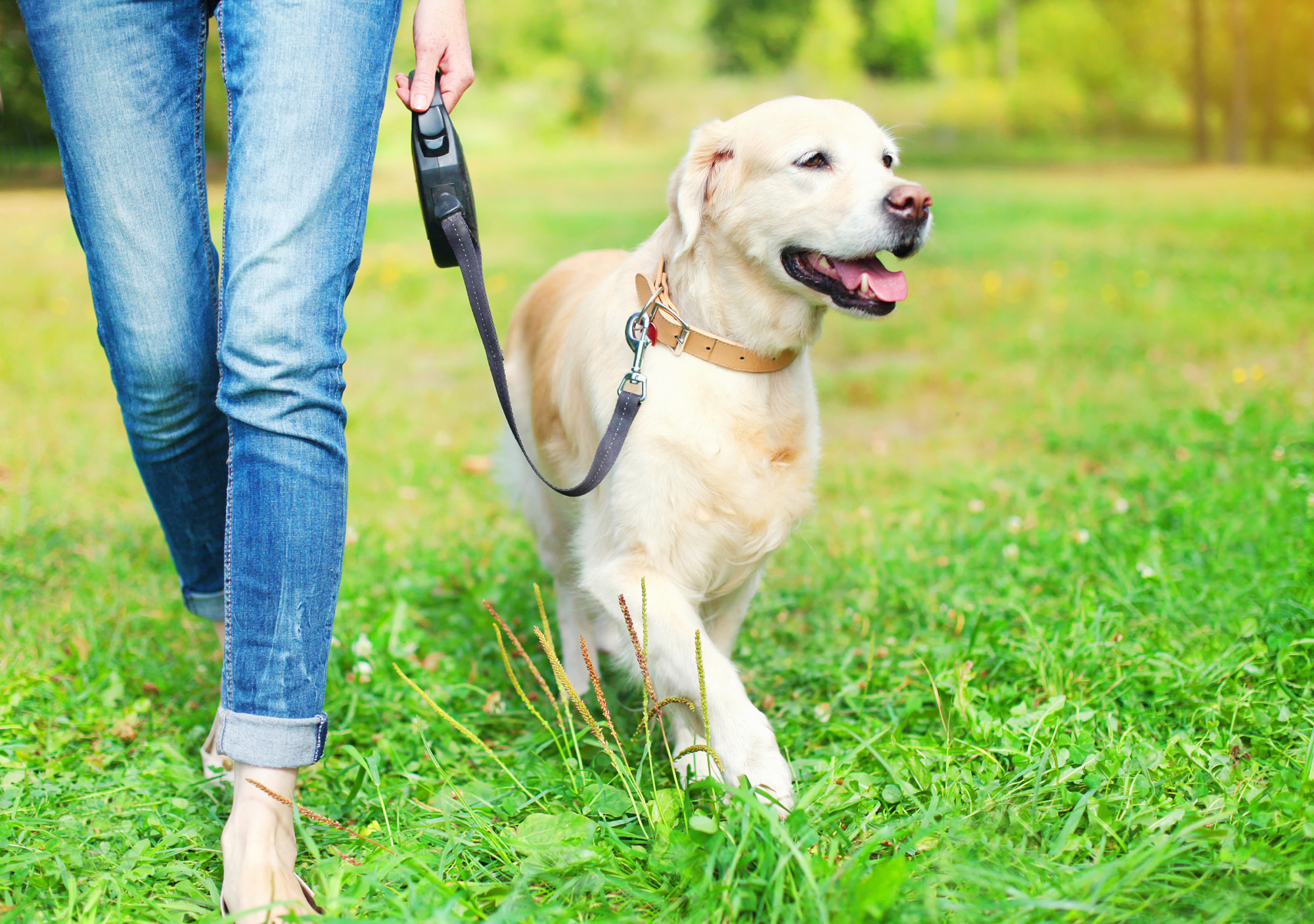
Most dogs need at least an hour of walking, play or training every day, and few dogs do well being left alone for eight-plus hours on a regular basis. If you travel constantly, work long unpredictable shifts, or simply don’t enjoy being outside in all weathers, be honest about that before you adopt. Dogs Trust’s own “Are You Dog Ready?” guide can help you match your actual routine to the right dog, rather than the one you wish you had.
- Low-energy match: older dogs and many large breeds are often calmer indoors than people expect.
- High-energy match: working and herding breeds usually need active owners with time for daily training.
- Time-strapped households: budget for a dog walker or doggy daycare before adoption day, not after.
Reading Suggestion: See which dog breeds tend to fit family life best if you’re weighing energy level and temperament.
2. What Will a Dog Actually Cost You?
Budget at least £6,200 to £18,800 over a dog’s lifetime, and £900–£2,000 or more in the first year alone.
The adoption fee itself is usually the smallest expense. Dogs Trust’s standard adoption fee is £300 in England, Wales and Scotland (£287.50 in Northern Ireland), while RSPCA fees vary by centre and typically include microchipping, neutering, vaccinations and some starter insurance. After that, ongoing costs add up. According to PDSA, minimum setup costs (bed, lead, bowls, initial vaccinations, neutering) run £415 for a small dog up to £560 for a large dog, and minimum ongoing monthly costs range from £69 for a small dog to £116 for a large dog. Over a dog’s whole life, PDSA puts the minimum realistic cost at £6,200–£12,000 for small breeds and up to £18,800 for large breeds.
| Expense | Typical Range | When It Hits |
|---|---|---|
| Adoption fee (Dogs Trust; often includes neutering, vaccines, microchip) | £287.50 – £300 | Day one |
| Starter supplies, vaccinations and neutering (PDSA minimum estimate) | £415 – £560 | First month |
| Ongoing monthly costs (food, insurance, flea/worm treatment) | £69 – £116 / month | Ongoing |
| Minimum lifetime cost, by size | £6,200 – £18,800 | Whole life |
Consider setting aside a small monthly emergency fund or taking out pet insurance early, since unexpected vet bills are the expense that catches most new owners off guard. Our guide on saving money on vet bills covers ways to keep this manageable.
3. Do You Have Enough Space?
A dog needs a place to grow, a place to relieve itself, and a place to burn energy, not necessarily a big house.
Flat living works fine for plenty of dogs as long as there’s a nearby park or green space and a plan for regular outdoor time. What matters more than square footage is whether you have a safe, secure space for the dog to rest, play and be house-trained. If you’re adopting a puppy, remember that the dog you bring home is not the size it will stay, so plan around its adult size, not its current one.
4. Is Your Home (and Landlord) Actually Dog-Friendly?
Get pet permission in writing before you adopt, since even pet-friendly tenancies can carry breed, size or headcount limits.
If you rent, confirm your tenancy agreement allows dogs and check for restrictions on breed, size or number of pets before you start browsing adoptable dogs. Under the Tenant Fees Act, landlords in England can no longer charge a blanket “no pets” clause without good reason, but many still set conditions, so it’s worth checking in writing. Dogs Trust also runs a pet-friendly housing hub with advice for renters. Sorting this out first avoids the heartbreak of falling for a dog you can’t legally keep.
5. How Will a New Dog Get Along With Pets You Already Have?
Introduce a new dog to resident pets slowly, on neutral ground, and under supervision, before adoption is finalised whenever possible.
If you already have a dog or cat at home, ask the rescue centre about arranging a supervised meet-and-greet before you commit. Dogs Trust, for example, asks adopters to bring their existing dog to the rehoming centre so staff can be sure the pair will get along before matching you. A calm, neutral-territory introduction gives both animals a chance to react honestly. Expect an adjustment period of days to a few weeks even after a good first meeting, and keep early interactions short and supervised.
- Ask the centre about the dog’s history with other animals before you meet.
- Keep the first meeting short and on neutral territory, not in either animal’s home turf.
- Separate feeding areas and resources for the first few weeks to prevent resource guarding.
Reading Suggestion: If you’re weighing a specific mixed breed against your current pets’ temperament, our rat terrier mix guide and corgi mini Aussie mix guide break down personality traits by breed.
6. What Supplies Do You Need Before Adoption Day?
Have the basics ready before your dog walks through the door, so day one is about settling in, not scrambling to the shops.
- Collar, harness and lead — a collar and ID tag are a legal requirement in the UK whenever your dog is in a public place.
- Food and water bowls plus a bag of the food the rescue centre was already feeding, to avoid a sudden diet change.
- A crate or dedicated bed sized for the dog’s adult size.
- Poo bags and cleaning supplies for inevitable house-training accidents.
- Microchip details updated with your current address and phone number — microchipping is a legal requirement for all dogs in the UK.
- A few toys to redirect chewing and provide mental stimulation from day one.
7. What Behavioural Adjustments Should You Expect?
Most rescue dogs show some anxiety, fear or clinginess at first, and that is normal rather than a red flag.
A dog coming from a rescue environment has usually been through a stressful chain of events, whether that’s a stray period, a surrender, or simply the noise and unfamiliarity of the kennels themselves. Give a new dog a quiet decompression period of a few weeks before expecting its full personality to show. If anxiety, resource guarding or fear-based reactions persist beyond that window, Dogs Trust’s behaviour support line or a qualified behaviourist can help before small issues become established habits.
8. What Should You Do at the Vet Right After Adoption?
Register with a vet and book a check-up within the first week of bringing your dog home, even if the rescue already provided care.
A post-adoption vet visit establishes a baseline for your dog’s health, catches anything the rescue centre may have missed, and starts you on a preventive care schedule for vaccine boosters, flea and worm treatment, and dental health. This is also the right time to ask about pet insurance and any breed-specific health considerations. PDSA’s new dog checklist is a useful reference for this first fortnight.
9. What Are the Real Benefits of Adopting a Dog?
Beyond companionship, dog ownership is linked to more physical activity, lower stress, and a stronger sense of routine for many owners.
Walking a dog gets most owners moving daily whether they planned to exercise or not, and the routine of feeding, walking and caring for another living being adds structure that many people find genuinely grounding. Adopting instead of buying also means giving a home to a dog who might otherwise wait far longer than average for one — with rescue centres reporting record numbers of dogs in care, larger and older dogs in particular benefit from adopters willing to look past puppyhood. Dogs Trust has a Top 10 benefits of adopting guide worth a read if you want the fuller case.
Recommended viewing: A short walkthrough of what to ask rescue centre staff and what to expect on adoption day.

10. Are You Ready to Adopt?
You’re ready when your lifestyle, budget, space and household can all comfortably absorb a dog’s needs, not just its cuteness.
Run through the checklist honestly: exercise time, first-year and ongoing costs, adequate space, landlord approval, a plan for existing pets, supplies on hand, and patience for a settling-in period. If most of these line up, you’re in a strong position to adopt. If a few don’t, it’s better to wait, foster first through a scheme like Dogs Trust fostering, or adjust your search toward a dog whose needs better match your circumstances.
Frequently Asked Questions
How long does it take a rescue dog to adjust to a new home?
Most rescue dogs need anywhere from a few days to a few months to fully settle in and show their true personality. A common rule of thumb among trainers is three days to decompress, three weeks to learn the routine, and three months to feel truly at home.
How much does it cost to adopt a dog in the UK?
Dogs Trust charges a standard adoption fee of £300 in England, Wales and Scotland (£287.50 in Northern Ireland), while RSPCA fees vary by centre. On top of the fee, PDSA estimates minimum first-year setup and running costs of roughly £900–£2,000 depending on the dog’s size, before food and vet bills for later years.
Should I adopt a puppy or an adult dog?
Adult dogs are often easier for first-time owners since their size, energy level and temperament are already established, and many are already house-trained. Puppies require more intensive training and supervision but let you shape habits from the start. Neither is inherently better — the right choice depends on your time and experience level.
Can I adopt a dog if I already have a cat or another dog?
Yes, in most cases, as long as you introduce them slowly and supervise early interactions. Dogs Trust, for example, asks you to bring your existing dog to the rehoming centre for a supervised meeting before finalising the match, and most rescues follow a similar approach.
What questions should I ask a rescue centre before adopting a dog?
Ask about the dog’s medical history, behaviour around children and other animals, energy level, any known triggers or fears, and how long the dog has been at the centre. Dogs Trust publishes a list of 19 questions to ask when adopting a dog that’s worth working through before you visit.
Do UK rescue centres require a home check or landlord approval before adoption?
It varies by charity. Some rescues carry out home visits or ask for written landlord permission if you rent; larger organisations like Dogs Trust and the RSPCA assess suitability during the application and matching process instead. It’s worth having proof of landlord approval ready before you apply if you’re renting.
Related Articles
- 5 Dog Breeds That Are Great for Families with Small Children
- 3 Best Ways to Save Money on Vet Bills for Your Dog
- What Science Says About the Human-Animal Bond
- 27 Rat Terrier Mixes and Why You Should Get One as a Pet
- What Home Remedy Can I Give My Dog for Diarrhoea? Safe and Natural Options
Bringing It All Together
Adopting a dog changes both your daily routine and your budget, so the households that thrive are the ones who look honestly at their lifestyle, space and finances before falling for a face at the rescue centre. Run through this checklist, ask the rescue plenty of questions, and give your new dog a patient decompression period once it’s home.
Whether you’re fostering or ready for a forever companion, your local rescue is the best place to start. Thousands of dogs across the UK are still waiting for the kind of thoughtful owner who reads a guide like this one before adopting, not after.
Medical Disclaimer: This article is for informational purposes only and does not replace professional veterinary advice. Always consult your vet about your dog’s specific health, behaviour or care needs.