Lahore Pigeon: Complete Breed Guide, Care Tips & Show Standards (2026)
Discover the Lahore Pigeon breed: origins from Lahore, Pakistan, care tips, breeding guide, color varieties, temperament, and show standards for fanciers.
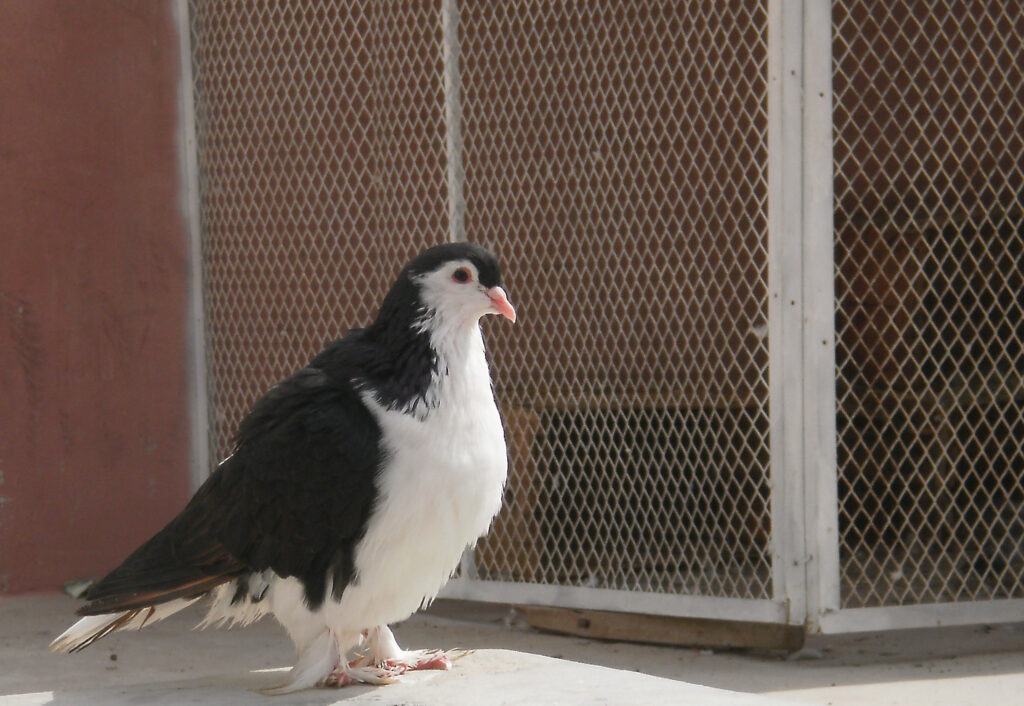
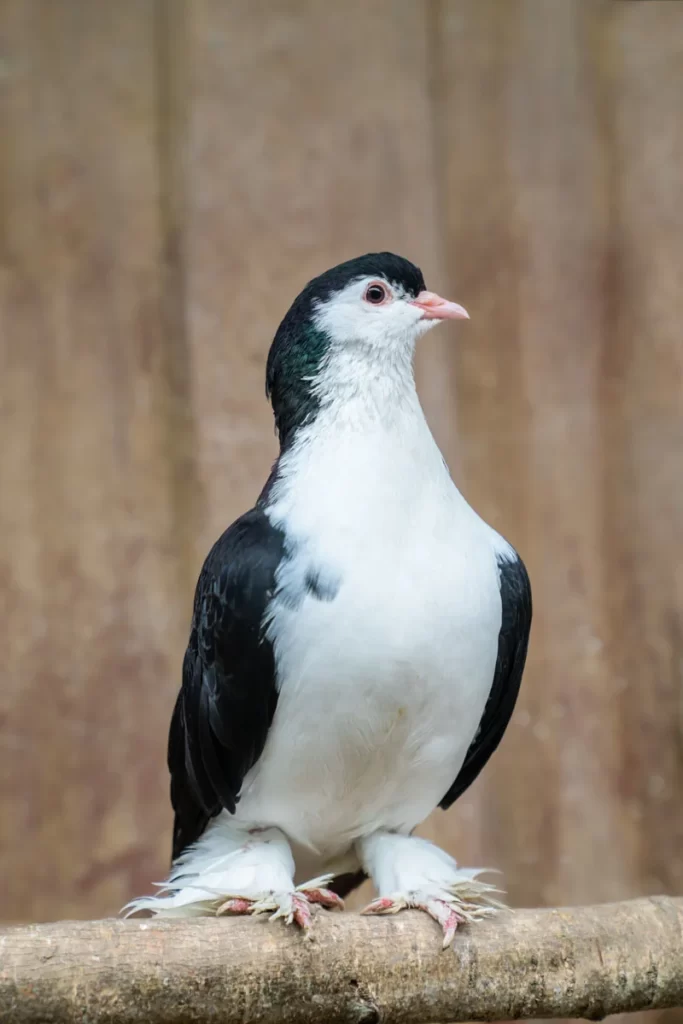
The Lahore Pigeon (Columba livia domestica) is a large, ornamental fancy pigeon breed originating from Lahore, Pakistan, prized worldwide for its striking plumage, calm temperament, and show-ring excellence. Standing 10–14 inches tall and weighing 480–550 grams, this breed features a broad chest, fan-shaped tail, and vibrant color patterns ranging from black barred to silver and blue-gray.
Named after the historic city of Lahore in Pakistan’s Punjab region, these pigeons have transcended their geographic origins to become one of the most celebrated fancy pigeon breeds in competitive shows across Europe, North America, and Asia. In this comprehensive guide, we cover everything you need to know about Lahore Pigeon identification, care, breeding, diet, health, and show preparation—whether you’re a first-time fancier or an experienced breeder.
Feature
Details
Scientific Name
Columba livia domestica
Common Names
Lahore Pigeon, Kabootar (Urdu), Pakistani Lahore
Origin
Lahore, Punjab, Pakistan
Size
26–35 cm (10–14 inches)
Weight
480–550 grams (adults)
Wingspan
Up to 25 inches
Lifespan
7–10 years (up to 15 with excellent care)
Temperament
Calm, docile, social
Best For
Shows, exhibitions, companion pets
Difficulty Level
Beginner to intermediate
Popular Varieties
Black Lahore, Blue Barred, Silver, Yellow, Red
Origin & History
The Lahore Pigeon traces its roots to the Punjab region of the Indian subcontinent, with the city of Lahore (now in Pakistan) recognized as the breed’s namesake and historical center of development. While exact records are sparse, ornithologists believe the breed emerged through selective breeding of several foundational pigeon types:
English Short-Faced Tumbler – contributed body structure
Indian Fantail – influenced tail carriage and posture
Indian Runter – added size and robust frame
English Carrier – refined the head and beak profile
The breed was introduced to the United Kingdom in the late 19th century (approximately the 1880s), where British pigeon fanciers refined its show qualities. From there, Lahore Pigeons spread to continental Europe, North America, and Australia, becoming a staple in fancy pigeon exhibitions worldwide.
Did you know? The Lahore Pigeon is considered one of the “gentle giant” breeds of the pigeon world, large in stature but remarkably calm in disposition, making them ideal for novice fanciers.
Physical Characteristics
Size & Body Structure
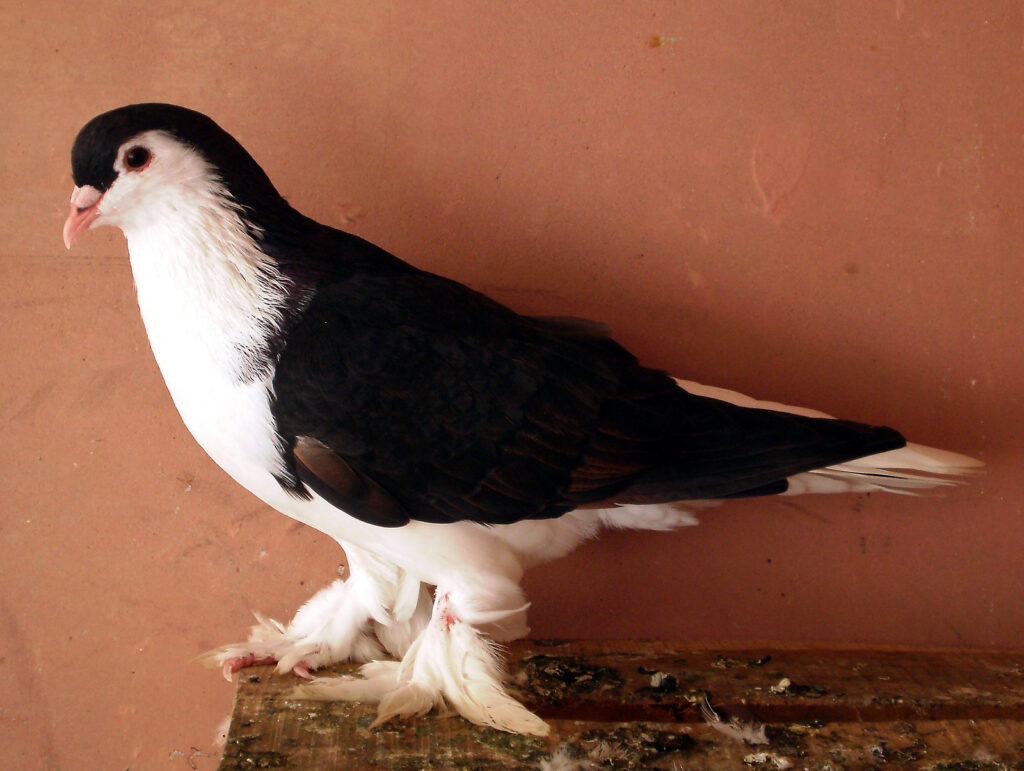
The Lahore Pigeon is a medium-to-large fancy pigeon with a distinctly robust and muscular build. Key structural features include:
Body Part
Description
Height
10–14 inches (26–35 cm) at the shoulder
Weight
480–550 grams (males slightly larger than females)
Body Shape
Broad, deep chest with a well-rounded, compact frame
Neck
Short, thick, and densely feathered
Wings
Short, broad, and carried close to the body
Tail
Fan-shaped, short to medium length, carried upright
Beak
Short, stout, and slightly curved
Legs
Short, thick, and strong with feathered "muffs"
Eyes
Dark, glossy, and expressive
Sexual Dimorphism
Unlike many pigeon breeds, male and female Lahore Pigeons are nearly identical in size, coloration, and markings. The most reliable way to distinguish sexes is through behavioral observation during courtship or by examining the cloaca (vent) during breeding season.
Color Varieties & Markings
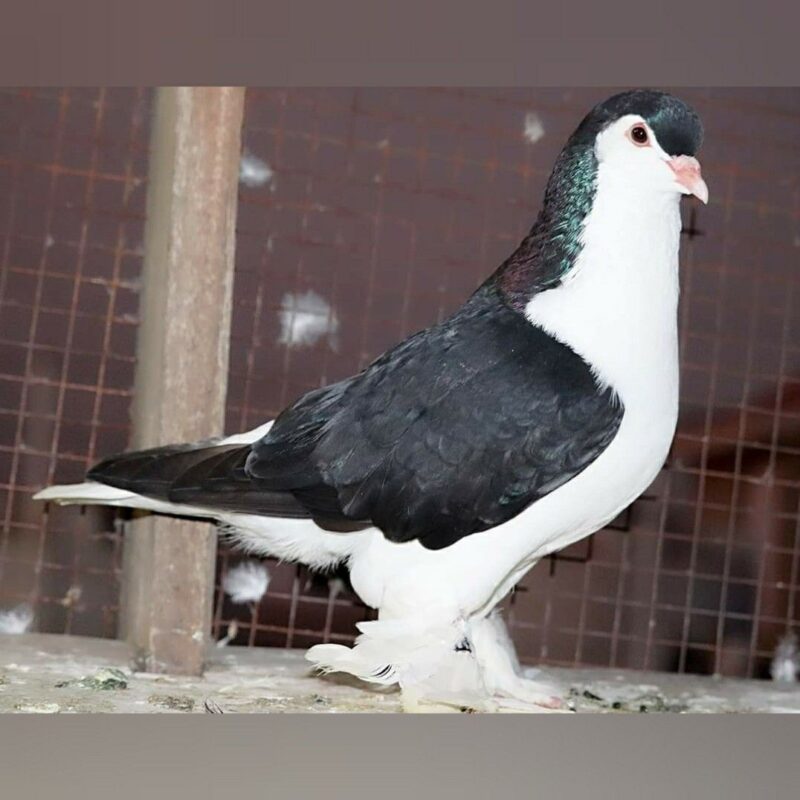
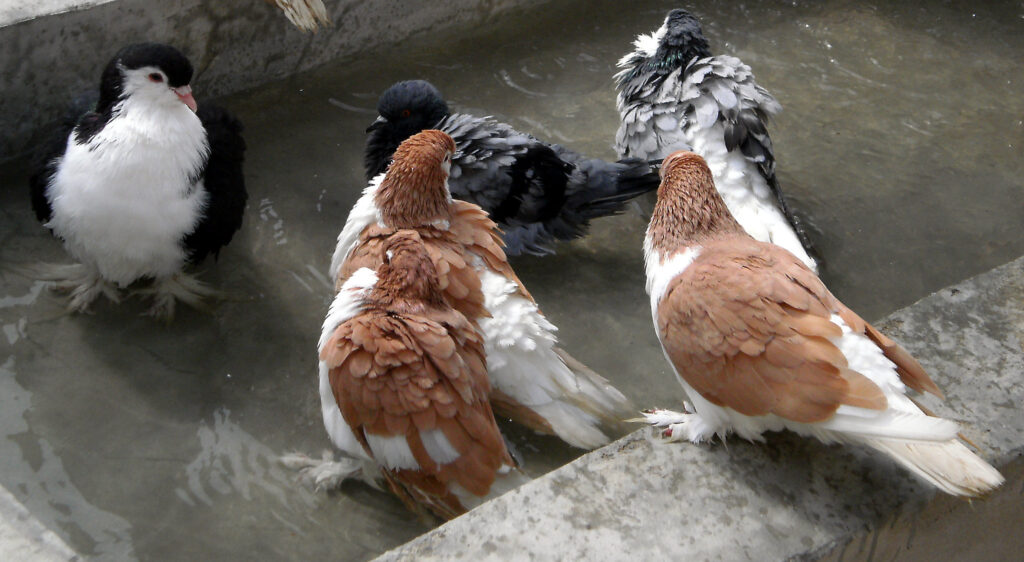
Lahore Pigeons are celebrated for their striking, high-contrast plumage patterns. The breed standard recognizes several color varieties:
Standard Color Varieties
Variety
Description
Rarity
Black Lahore
Jet-black body with white head, neck, and wing bars
Common
Blue Barred
Blue-gray body with dark barring and white head/collar
Very common
Silver
Pale silver-gray body with white markings
Common
Yellow/Golden
Rich golden-yellow body with white head and neck
Moderate
Red/Mealy
Warm reddish-brown body with white accents
Moderate
Schwarz (Black Self)
Entirely black with minimal white markings
Rare
Marking Pattern
All standard Lahore Pigeons share a distinctive “hooded” pattern:
White head and neck (the “hood”)
White collar encircling the neck
Colored body (black, blue, silver, etc.)
White wing bars or patches
White rump and tail tip
Show tip: In competitive exhibitions, judges prioritize birds with clean, crisp color boundaries—no bleeding of color into the white areas, and symmetrical markings on both sides.
Temperament & Behavior
Personality Traits
Lahore Pigeons are widely regarded as one of the most docile and people-friendly fancy pigeon breeds. Their temperament makes them excellent choices for:
First-time pigeon keepers – forgiving and easy to handle
Family pets – safe around children with supervision
Show exhibitors – calm enough to tolerate handling and transport
Aviary companions – peaceful with other pigeon breeds
Trait
Rating
Notes
Docility
⭐⭐⭐⭐⭐
Extremely calm; rarely aggressive
Intelligence
⭐⭐⭐⭐☆
Trainable for basic recall
Sociality
⭐⭐⭐⭐⭐
Thrives in pairs or small flocks
Vocalization
⭐⭐⭐☆☆
Soft coos; not noisy
Activity Level
⭐⭐⭐☆☆
Moderate; enjoys perching and short flights
Flight Behavior
While Lahore Pigeons are capable fliers, they are not racing pigeons. Their short, broad wings and heavy body structure make them better suited to short, graceful flights within an aviary or loft. They are not strong long-distance flyers and should not be released for free flight unless trained from a young age in a secure environment.
A well-designed loft is essential for Lahore Pigeon health and happiness. Based on general pigeon care best practices, here are the recommended specifications:
Requirement
Specification
Minimum space per pair
4 sq ft (0.37 m²) floor space
Ceiling height
Minimum 6 ft (1.8 m) for comfortable flight
Ventilation
Good airflow; avoid drafts and dampness
Lighting
Natural light preferred; avoid direct harsh sunlight
Flooring
Wood shavings, straw, or sand (changed regularly)
Perches
Multiple perches at varying heights
Nesting boxes
One per breeding pair (12" x 12" x 12" minimum)
Key Housing Tips
Avoid overcrowding – Lahore Pigeons are social but need personal space to prevent stress and disease transmission.
Keep it dry – Pigeons are highly susceptible to respiratory issues in damp conditions. Ensure the loft is well-ventilated and moisture-free.
Secure from predators – Protect against cats, rats, hawks, and snakes with mesh wire and raised flooring.
Clean daily – Remove droppings and replace floor covering daily. Provide fresh water at least twice daily.
Diet & Nutrition
Daily Diet Composition
A balanced diet is critical for maintaining the Lahore Pigeon’s glossy plumage, strong bones, and overall health.
Food Type
Percentage
Examples
Quality pigeon mix
60–70%
Commercial pigeon pellets or seed mix
Whole grains
20–30%
Wheat, barley, corn, millet, safflower
Legumes
5–10%
Peas, lentils (cooked or sprouted)
Grit & minerals
Daily access
Oyster shell, charcoal, granite grit
Fresh vegetables
2–3x weekly
Leafy greens, grated carrots, peas
Clean water
Unlimited
Changed at least twice daily
Foods to Avoid
❌ Avoid
Why
Processed human food
High salt and sugar content
Chocolate or caffeine
Toxic to birds
Avocado
Contains persin, which is toxic
Stale or moldy feed
Can cause aspergillosis and other infections
Uncooked beans
Contains lectins that are harmful
Breeding tip: During breeding season, increase protein intake with additional peas and lentils. During molting (typically late summer to early fall), provide extra oil-rich seeds (safflower, hemp) to support feather regrowth.
Breeding & Courtship
Mating & Nesting Behavior
Lahore Pigeons are monogamous and typically form strong pair bonds. The breeding cycle follows a predictable pattern:
1. Courtship Display
Male puffs chest, fans tail, and coos to attract a female
Performs a characteristic bowing dance
May chase the female gently
2. Nest Building
Both partners collect twigs, straw, and soft materials
Prefer elevated nesting boxes or ledges
Nest is a simple platform structure
3. Egg Laying
Female lays 2 eggs per clutch
Incubation period: 17–19 days
Both parents share incubation duties
4. Chick Rearing
Hatchlings are fed crop milk (pigeon milk) for the first 10 days
Gradually weaned onto regurgitated seeds
Fledge (leave nest) at approximately 25–30 days
Breeding Best Practices
Best Practice
Details
Breeding season
Spring to early summer (March–June)
Clutches per year
3–4 clutches maximum (prevent exhaustion)
Brooding temperature
~35°C (95°F) first week; reduce to 25°C by week 4
Chick diet
High-protein starter mix; grit available from day 1
Weaning
Gradual; mix adult feed with softened grains
Important: Allow breeding pairs a rest period between clutches. Overbreeding weakens the hen and produces smaller, less healthy chicks.
Health & Lifespan
Average Lifespan
With proper care, Lahore Pigeons typically live 7–10 years, with some individuals reaching 12–15 years in optimal conditions.
Factor
Impact on Lifespan
Diet quality
Poor nutrition reduces lifespan by 2–3 years
Housing conditions
Damp, dirty lofts increase disease risk
Genetics
Well-bred lines live longer
Veterinary care
Annual check-ups catch issues early
Predator protection
Secure housing prevents injuries
Common Health Issues
Condition
Symptoms
Prevention
Canker (Trichomoniasis)
Yellow lesions in mouth/throat; difficulty eating
Clean water; avoid contact with wild birds
Coccidiosis
Diarrhea (often bloody); lethargy; weight loss
Clean housing; anticoccidial medication
Worms
Weight loss despite good appetite; diarrhea
Regular deworming (every 3–6 months)
Respiratory infections
Sneezing; nasal discharge; labored breathing
Dry, well-ventilated loft; avoid drafts
Paramyxovirus (PMV-1)
Twisted neck; tremors; paralysis
Vaccination; quarantine new birds
External parasites
Feather picking; visible mites/lice
Regular dusting; clean environment
Vaccination schedule: Consult an avian veterinarian for a tailored vaccination program. Common vaccines include PMV-1, paratyphoid, and pox.
Show Standards & Judging
Lahore Pigeon Show Criteria
In competitive exhibitions (governed by organizations like the National Pigeon Association), Lahore Pigeons are judged on:
Category
Ideal Standard
Points
Body type
Large, broad, deep-chested; muscular
25
Head & beak
Short, stout beak; well-rounded head
15
Neck & hood
Thick, feathered neck; clean white hood
15
Color & markings
Crisp boundaries; vibrant, even color
20
Tail & carriage
Fan-shaped; carried upright and proud
15
Legs & feet
Short, strong, feathered; clean and healthy
10
Preparing for a Show
6–8 weeks before: Begin conditioning diet (high-protein, vitamin supplements)
4 weeks before: Increase bathing frequency to improve feather condition
2 weeks before: Isolate show birds; monitor for any health issues
1 week before: Final grooming; trim nails; check for parasites
Show day: Transport in clean, well-ventilated carriers; minimize stress
Lahore Pigeon vs. Other Fancy Breeds
Feature
Lahore Pigeon
English Fantail
Indian Fantail
Modena
Size
Large (480–550g)
Medium (300–400g)
Medium (350–450g)
Medium (350–450g)
Temperament
Very calm
Calm
Active
Moderate
Tail type
Fan-shaped, short
Large, erect fan
Large, erect fan
Short, compact
Best use
Shows, pets
Shows
Shows, pets
Shows
Beginner friendly
⭐⭐⭐⭐⭐
⭐⭐⭐⭐☆
⭐⭐⭐⭐☆
⭐⭐⭐☆☆
Flight ability
Low
Very low
Low
Moderate
Frequently Asked Questions
What is a Lahore Pigeon?
A Lahore Pigeon is a large, ornamental fancy pigeon breed originating from Lahore, Pakistan. Known for its striking black-and-white or colored “hooded” plumage pattern, calm temperament, and show-ring excellence, it is one of the most popular fancy pigeon breeds worldwide.
How big do Lahore Pigeons get?
Adult Lahore Pigeons typically stand 10–14 inches (26–35 cm) tall and weigh between 480–550 grams. Males are generally slightly larger and heavier than females.
Are Lahore Pigeons good pets?
Yes. Lahore Pigeons are excellent pets for beginners and experienced fanciers alike. They are calm, docile, social, and easy to handle. Their low noise level and peaceful nature make them suitable for urban and suburban keepers.
How long do Lahore Pigeons live?
With proper care, Lahore Pigeons live 7–10 years on average. Some well-cared-for individuals reach 12–15 years.
What do Lahore Pigeons eat?
Lahore Pigeons thrive on a balanced diet of quality pigeon seed mix, whole grains (wheat, barley, corn), legumes, fresh vegetables, grit, and clean water. Avoid processed human foods, chocolate, and avocado.
How do you breed Lahore Pigeons?
Breeding Lahore Pigeons requires a secure nesting box, a bonded pair, and a high-protein diet during the breeding season. The female lays 2 eggs per clutch, which hatch in 17–19 days. Both parents share incubation and chick-rearing duties.
What colors do Lahore Pigeons come in?
Standard Lahore Pigeon colors include Black, Blue Barred, Silver, Yellow/Golden, Red/Mealy, and Schwarz (Black Self). All varieties feature the characteristic white “hood” on the head and neck.
How much does a Lahore Pigeon cost?
Prices vary by quality and location. Pet-quality Lahore Pigeons typically cost $30–$80 USD per bird. Show-quality birds from champion bloodlines can range from $100–$500+ USD.
Final Thoughts
The Lahore Pigeon stands as a testament to centuries of selective breeding and human appreciation for avian beauty. From the bustling streets of Lahore, Pakistan, to competitive show rings across Europe and North America, this breed has earned its place as one of the most beloved fancy pigeons in the world.
Whether you’re drawn to the Lahore Pigeon for its striking appearance, gentle temperament, or show potential, this breed offers something for every level of fancier. With proper housing, nutrition, and care, a Lahore Pigeon can be a rewarding companion for a decade or more.
Ready to start? Connect with your local pigeon fanciers’ club or reputable breeder to find healthy, well-socialized Lahore Pigeons. Always prioritize bird welfare, proper quarantine procedures, and ongoing education in pigeon care.
I'm a pet enthusiast, writer, and founder of PetRescue Blog. My journey began in Jersey City and continued in London, where I transformed a rescue-focused blog into a community-driven platform for pet lovers. I enjoy learning about animals and sharing practical pet care knowledge while encouraging others to contribute their experiences.